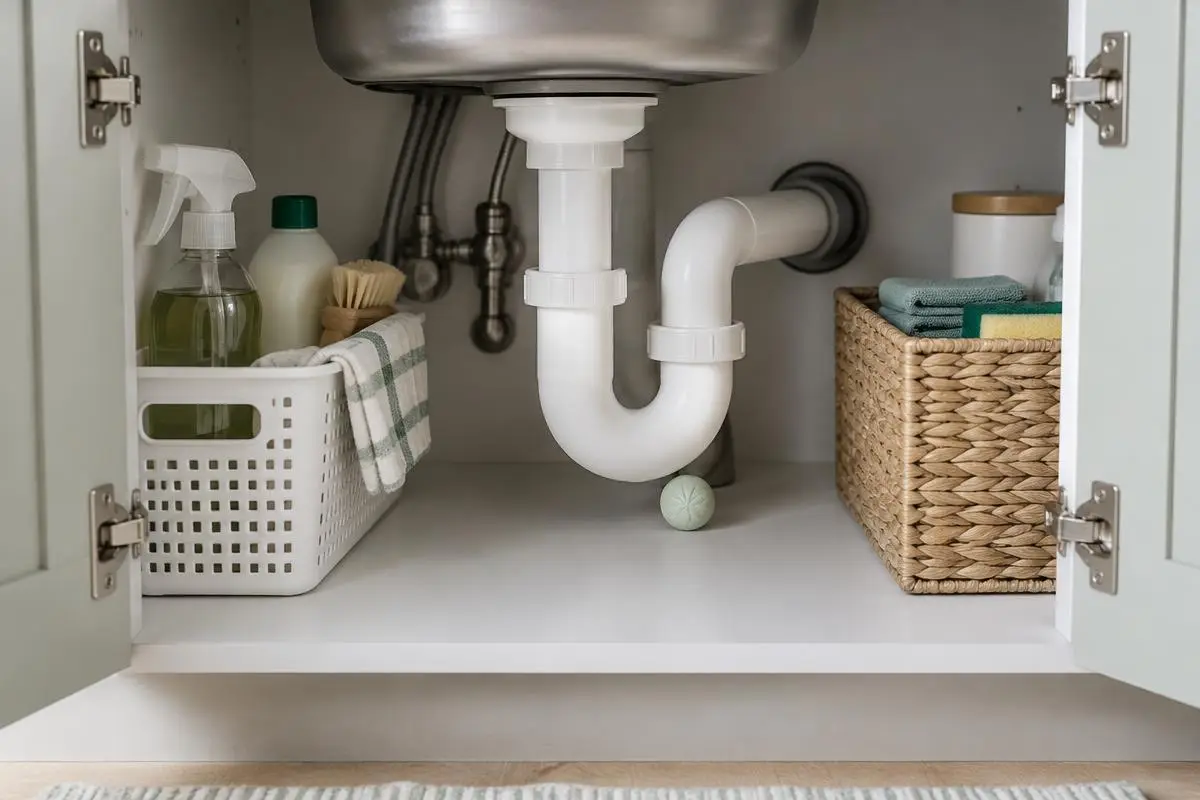
How to keep mice away naturally
Updated 23 October 2026 · By the MintGuard team
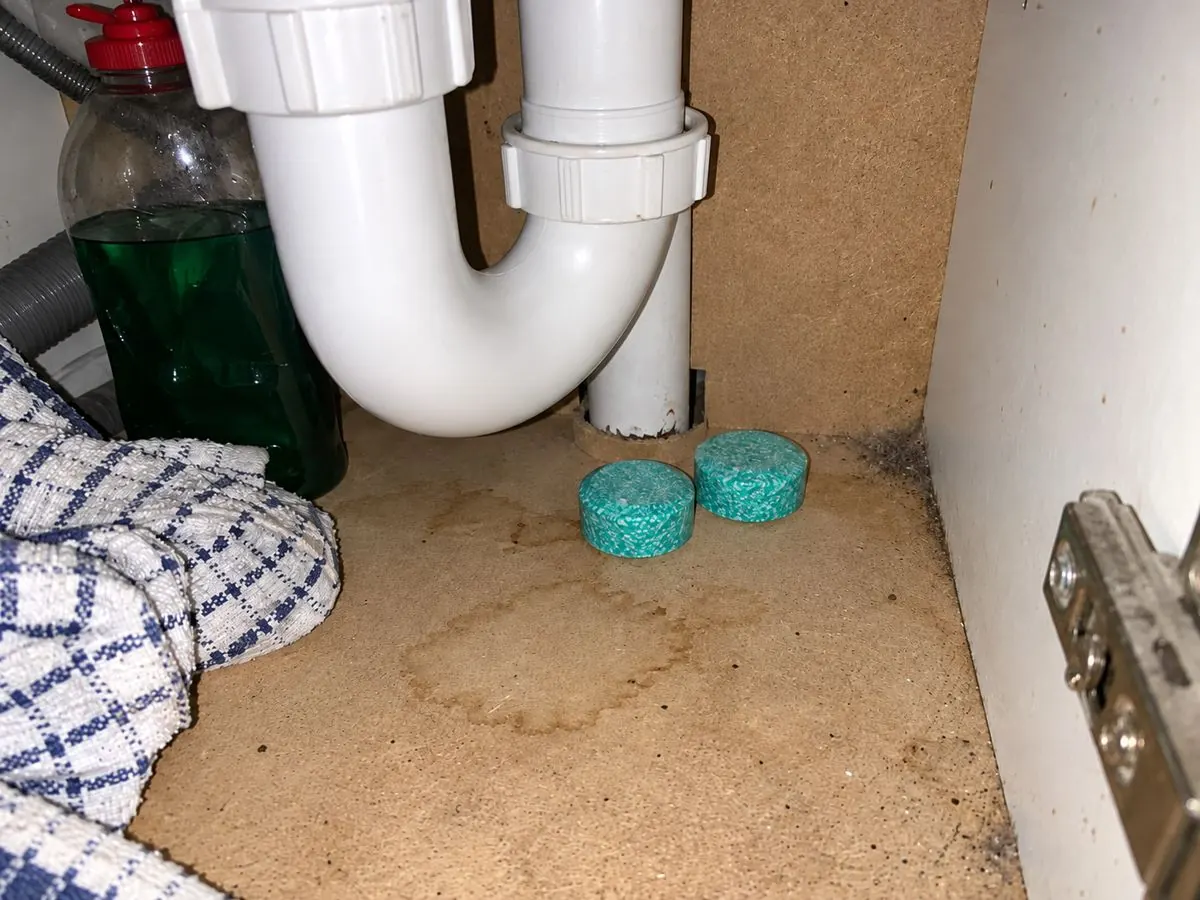
Quick answer
The most dependable natural prevention starts with removing food, reducing nesting places and closing suitable entry gaps. Peppermint and other scent deterrents are supporting measures, not a reliable way to clear mice already nesting indoors. If fresh droppings or damage keep appearing, arrange proper control rather than trying more household smells.
Wanting to avoid rodent poison is understandable, especially in a home with children, pets or visiting wildlife. However, “natural” can describe very different things, from repairing a door seal to placing concentrated oil near a pet bed. This guide separates practical prevention from scent claims and explains how to make a low-chemical plan without ignoring an active mouse problem.
| Measure | Useful role | Important limit |
|---|---|---|
| Food storage | Removes accessible rewards | Must include feed and waste |
| Physical proofing | Restricts entry | Sequence repairs with active control |
| Scent deterrents | Optional supporting measure | Do not clear established infestations |
| Monitoring | Reveals renewed activity | Not a control method by itself |
Start by distinguishing prevention from infestation
If you have no current evidence and want to reduce the chance of mice entering, start with storage and building maintenance. If new droppings, gnawed packets or repeated sightings are already occurring, you need to establish the extent of activity. A prevention product is not an adequate response to an occupied nest.
Photograph signs without touching them and record where they appear. An old mark in a cupboard is different from fresh damage to a newly stored packet. Avoid assuming that mice have left because a noise stops for a night. A controller can help identify the species, locate the route and suggest a plan that takes your wish to minimise pesticides into account.
Make food storage the first natural measure
Remove the reward for entering your home. Keep dry food in robust, tightly closing containers, clear crumbs under accessible appliances and avoid leaving pet meals out overnight. A clip on a thin bag does not prevent gnawing. Inspect neighbouring packets if one has been damaged.
Remember the food outside the kitchen: bird seed, pet biscuits, grass seed and stored snacks in spare rooms can all matter. Clean the bin area and close lids properly. Do not eat food that may be contaminated, and do not feed suspect stock to animals. These changes are straightforward, but they work only if everyone in the household follows the routine rather than leaving one dependable food source available each night.
Best for this problem
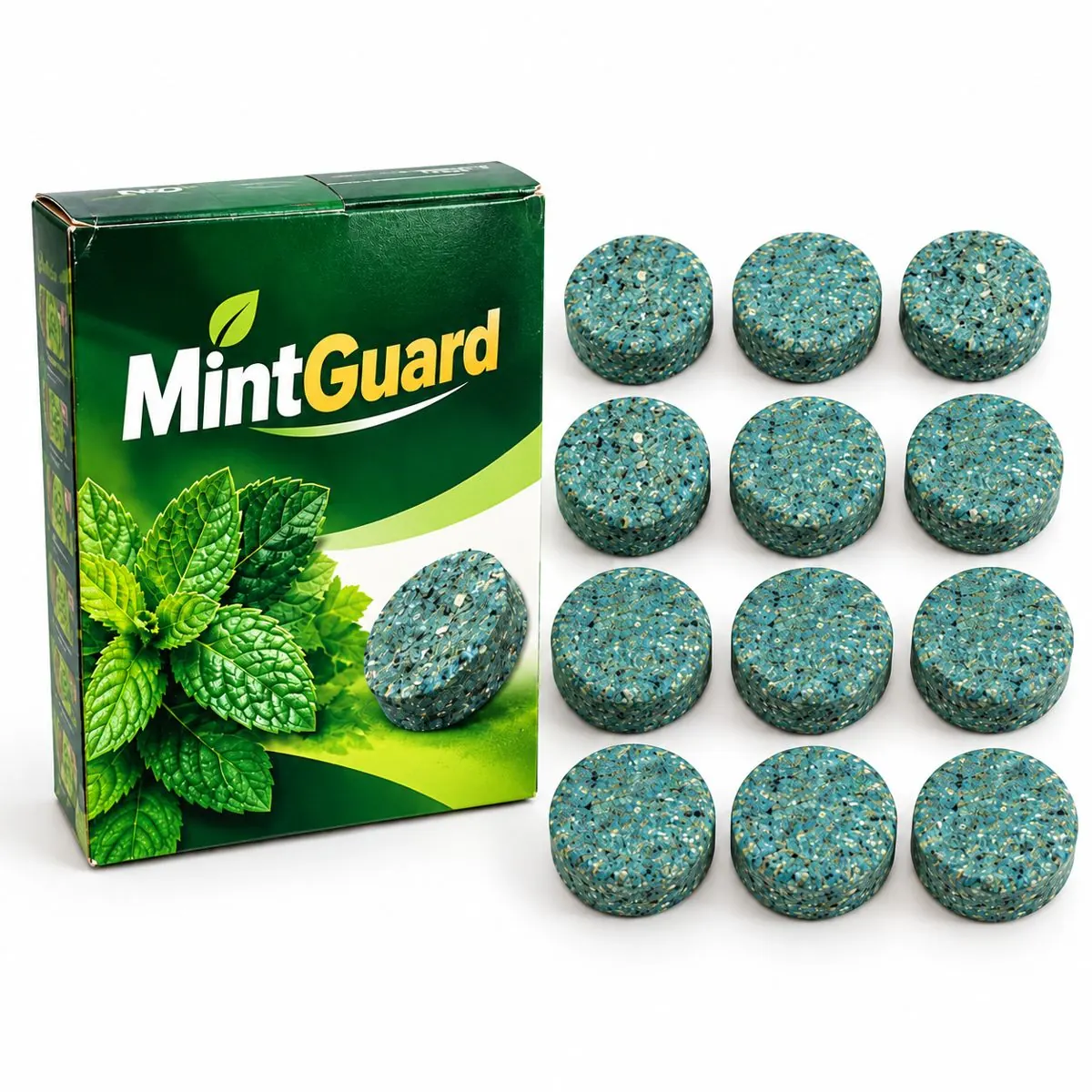
For prevention after cleaning and proofing, start with one MintGuard pack of 12 balls for £39. Choose only enough for dry, inaccessible placement points; it will not clear an established infestation.
Proof entry points without damaging the building
Inspect safe, accessible gaps around pipes, door edges and service entries. Mice can use very small openings, so include awkward corners rather than looking only for obvious holes. Ask for suitable gnaw-resistant repairs; soft filler or expanding foam alone is not a dependable long-term barrier.
Preserve air flow, drainage and fire-safety features. An air brick must not simply be covered with a solid panel, and fire stopping should be repaired appropriately. If an opening appears active, agree the sequence of control and exclusion with a professional before sealing it. Renters should send photographs of defects to their landlord or managing agent. Proofing is a physical prevention measure, not an excuse to confine animals inside a wall.
Reduce nesting places and make checks easier
Mice can shelter in undisturbed packaging, fabric and stored clutter. Sort manageable areas rather than emptying a whole loft or garage into your living room. Wear gloves where contamination is possible and avoid shaking dusty material. Keep clean belongings separate from items awaiting assessment.
Robust lidded storage and clear inspection space beside walls make new evidence easier to see. Reducing clutter does not remove mice already present, but it reduces convenient hiding places and helps a controller inspect safely. Do not climb onto unstable shelving or walk on unboarded loft areas to complete a home checklist. If access is unsafe, explain that limitation when arranging an inspection rather than taking a risk to obtain another photograph.
What peppermint and scent deterrents can realistically do
Peppermint is commonly suggested because rodents use smell when navigating and feeding. That does not establish that a household scent will exclude mice from a particular building. A smell you notice strongly may still be insufficient where there is food, shelter or an established route.
Scent methods cannot repair a gap, remove contaminated material or confirm that an animal has left. Treat them as optional supporting deterrents, not the foundation of your plan. If you try one, monitor the same places for new evidence and keep your proofing routine. Do not interpret a stronger smell as better protection, or keep increasing the amount of oil when fresh droppings show that the actual problem is unresolved.
Why natural does not automatically mean safe
Concentrated plant oils can irritate people and may pose risks to animals, depending on the product and exposure. Avoid putting oils on pet bedding, food surfaces or places that animals may lick. Never apply a rodent deterrent directly to an animal. Keep products labelled and stored away from children.
Do not use mothballs, fuel, bleach mixtures or other improvised chemical barriers as mouse remedies. Household products should be used only for their intended purpose and according to instructions. A strong smell can also make rooms unpleasant without improving control. If someone has breathing sensitivities, or you keep small pets, ask about suitability before using scented products. Suspected ingestion or illness needs prompt professional medical or veterinary advice, not another home remedy.
Where MintGuard helps, and where it does not
MintGuard contains pressed peppermint, clove and castor oil balls and is sold as a rodent repellent. It is not a treatment for an established infestation. Use it only as part of a plan based on food control, suitable proofing and monitoring. Position balls in dry, retrievable spots away from food and out of reach of children and pets.
A pack contains 12 balls for £39. Two packs cost £69, three £89 and four £109. Each ball lasts 30–60 days. MintGuard is sold only on mintguard.co.uk and has a 90-day money-back guarantee. Optional Secure Delivery + Lifetime Warranty costs £4.95. These are purchase details, not evidence that a scent will solve every mouse problem; continuing activity still needs an appropriate response.
Clean evidence safely and monitor what changes
Do not dry sweep or use an ordinary vacuum on droppings. For a small accessible area, ventilate where practical, wear gloves and use a suitable disinfectant according to its label before careful removal. Avoid mixing cleaning products. Extensive soiling or contaminated insulation warrants professional advice rather than a bigger household cleaning session.
Keep a dated note of locations before and after safe cleaning. Look for new pellets, fresh gnawing and further damage to protected storage. The NHS notes that leptospirosis can spread through infected animal urine; protect broken skin and wash hands after dirty work. If you become unwell after possible exposure, seek medical advice and mention the contact. The purpose of monitoring is to test whether the plan is resolving activity, not simply whether the room smells different.
When a low-chemical plan needs professional help
Call a pest controller if evidence continues, a nest is suspected, mice reach food preparation areas or wiring appears damaged. Explain your preference to minimise pesticides and ask how the proposed approach deals with welfare, follow-up and entry points. No responsible plan should promise that one scent alone will remove an established infestation.
GOV.UK can direct you to your council's pest reporting route; services and fees vary. Landlords and managing agents may need to coordinate structural repairs. Glue traps have been illegal for the public to use on rodents in England since 31 July 2024, with restricted professional licensing. Do not improvise traps or assume that something marketed as poison-free is automatically humane. Professional advice can help you choose a lawful, practical response rather than prolonging an unresolved problem.
Common questions
What is the best natural way to keep mice away?
Start with secure food storage and suitable physical proofing. These address why mice visit and how they enter. Add regular checks so you notice renewed activity early. Scent deterrents are optional support, not a replacement for these measures or active control where needed.
Will growing mint outside stop mice entering?
Do not rely on a mint plant as a barrier. It does not close a door gap or protect stored food, and the presence of the plant does not demonstrate exclusion. Maintain the garden sensibly while focusing on the building and accessible food.
Does vinegar get rid of mice?
A vinegar smell is not a dependable way to clear an infestation. Using more of it does not address nesting sites or entry routes and may damage unsuitable surfaces. Clean with products intended for the task and judge progress by fresh evidence, not smell.
Are essential oils safe around cats and dogs?
Do not assume so. Risk depends on the oil, concentration and exposure, and pets may lick or contact a product you intended only as a scent. Follow the product label, keep it inaccessible and ask a vet about suitability if you are unsure.
Can I prevent mice without using poison?
Many prevention measures do not require poison: food control, appropriate repairs, storage changes and monitoring. An active infestation still needs an effective plan. Ask a pest professional to explain available approaches and how your wish to minimise pesticides can be accommodated.
How do I know whether a natural deterrent is working?
Look for the absence of new evidence over continued monitoring after food and access issues are addressed, not just a change in smell or one quiet night. If fresh droppings or damage continue, revise the plan and arrange professional help rather than repeatedly adding more scent.
Sources
Get MintGuard
12 pressed peppermint balls per pack. No poison, no traps. Tracked UK delivery and a 90-day money-back guarantee.
- 2 MintGuard packs
- £69
- UK delivery
- Calculated at checkout
- You save
- £87
- Total
- £69
- Tracked UK delivery
- 90-day money-back
- Secure checkout by Shopify


Pay with Apple Pay or Google Pay in one tap
- What happens next: 1. Pay on our secure checkout · 2. We dispatch your order · 3. You get a tracking email
Written by the MintGuard team
Last checked 23 October 2026. Plain, practical advice for UK homes. For a serious or ongoing infestation, contact your local council pest service or a qualified pest controller. Keep all repellents out of reach of children and pets.