Mice and peppermint: does it keep them away?
Updated 22 October 2026 · By the MintGuard team
Quick answer
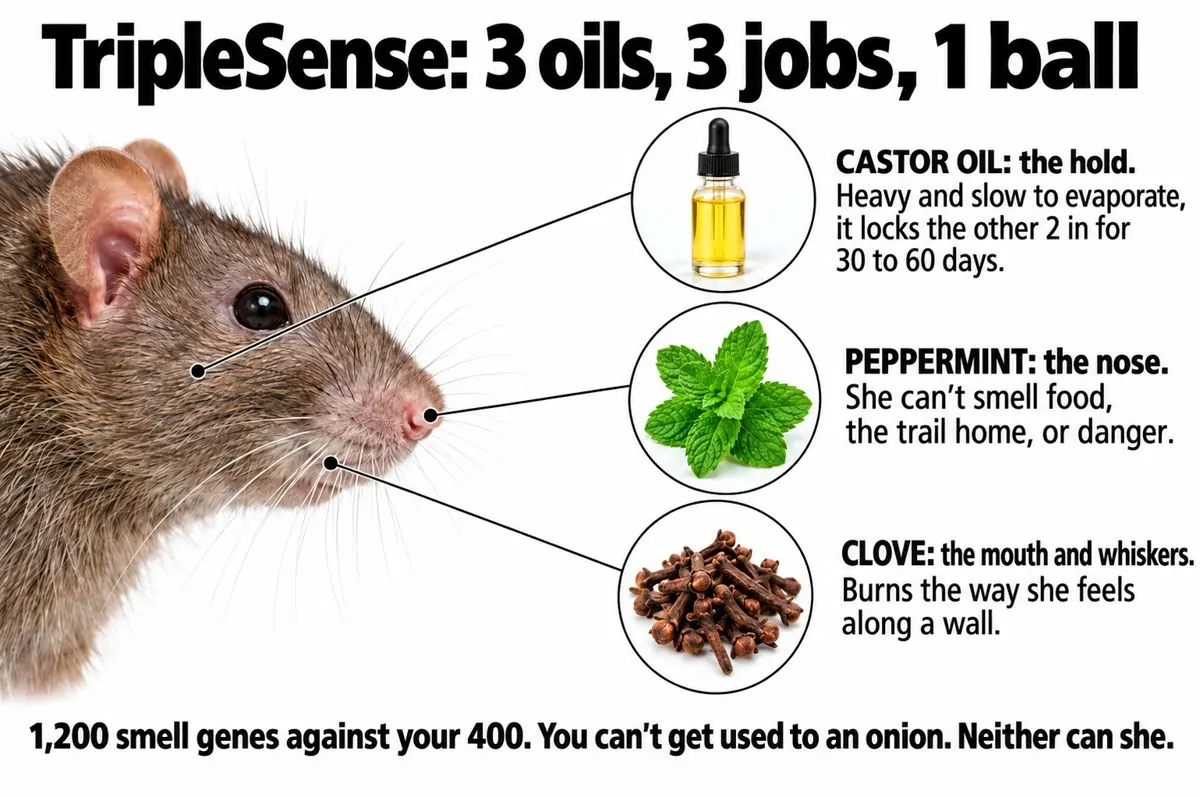
Mice depend on smell to find food and follow trails, and strong peppermint masks those smells. It works as a deterrent while the scent stays strong, so a slow-release peppermint repellent works far better than a few drops of oil.
Peppermint is the most popular natural mouse repellent in UK homes. Here's how to get it right.
Is peppermint a good mouse repellent?
Peppermint is a good choice for prevention because it's strong, pleasant to people and contains no poison. Its weakness is how fast pure oil fades.
Where to use peppermint for mice
- Behind the cooker, fridge and washing machine
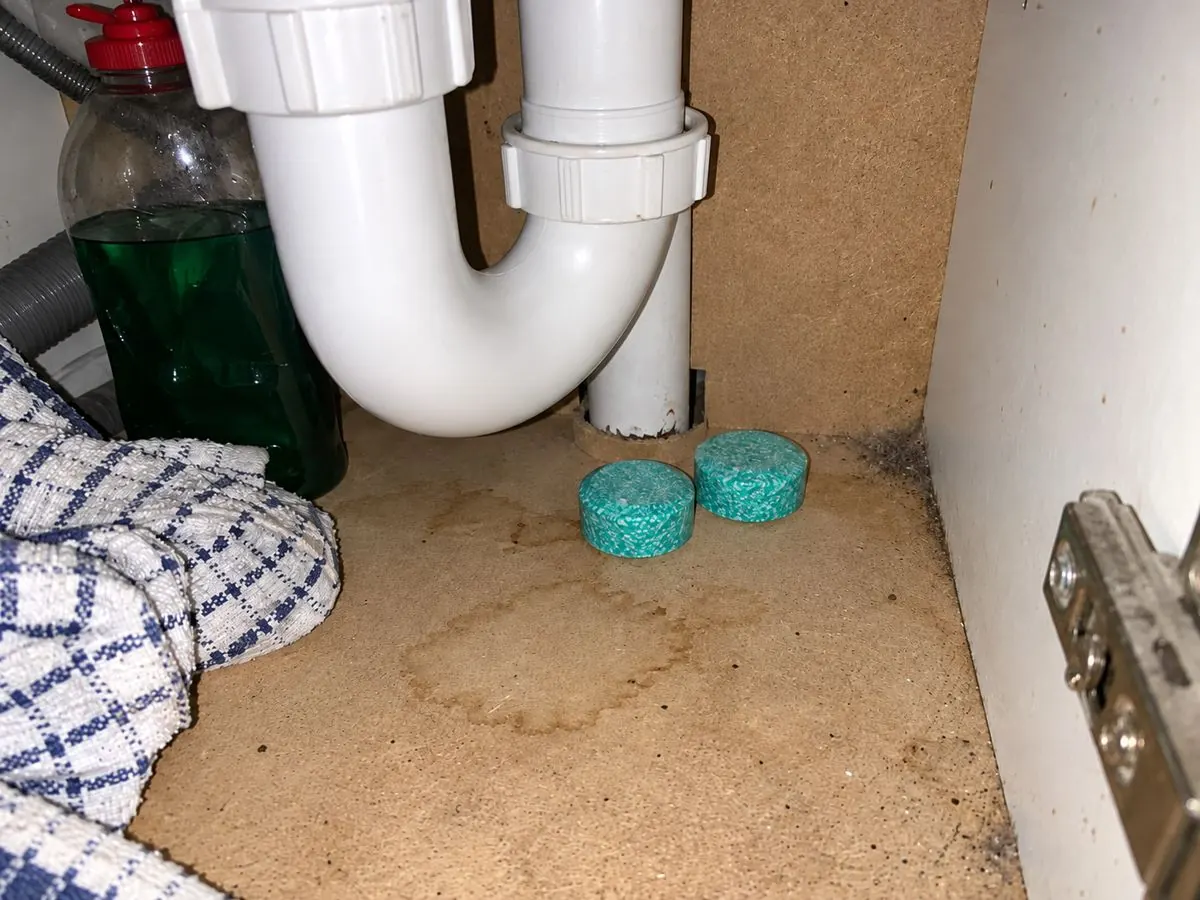
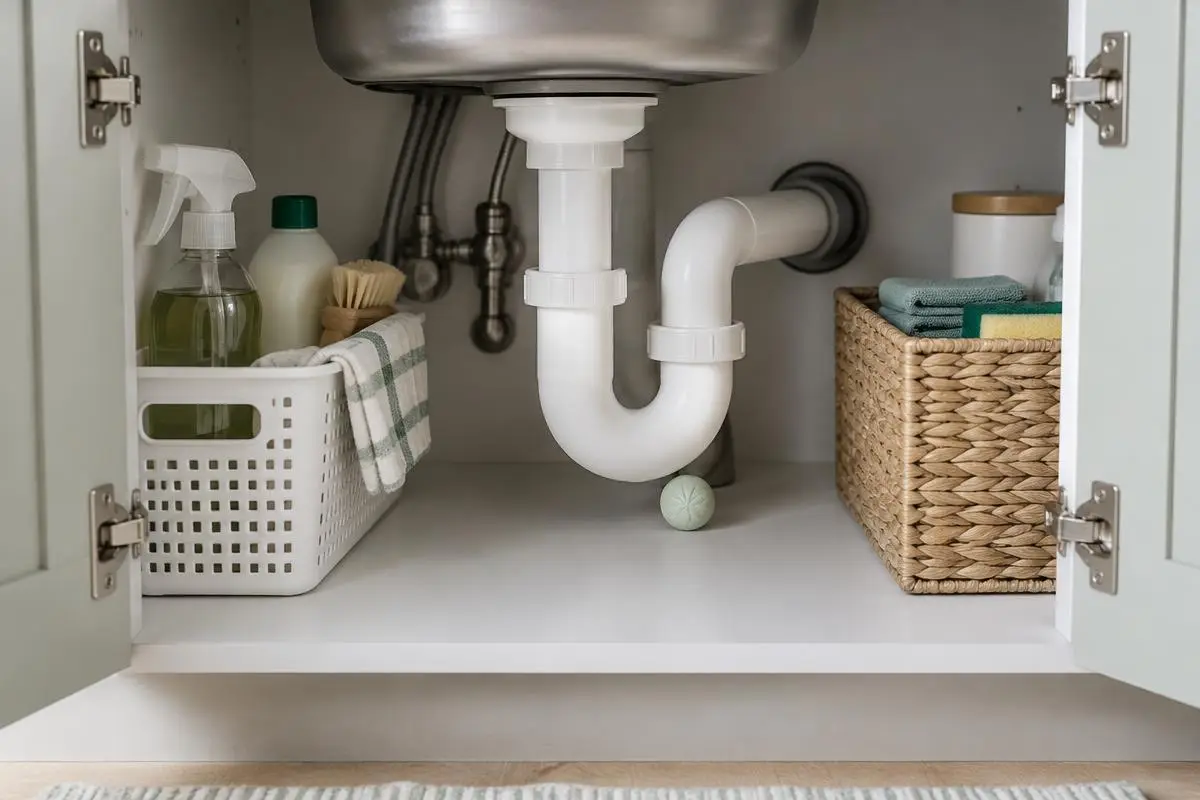
- Under the kitchen sink
- In the airing cupboard and by the boiler
- At the loft hatch and along the eaves
- In the garage near the door
Peppermint mouse repellent that lasts
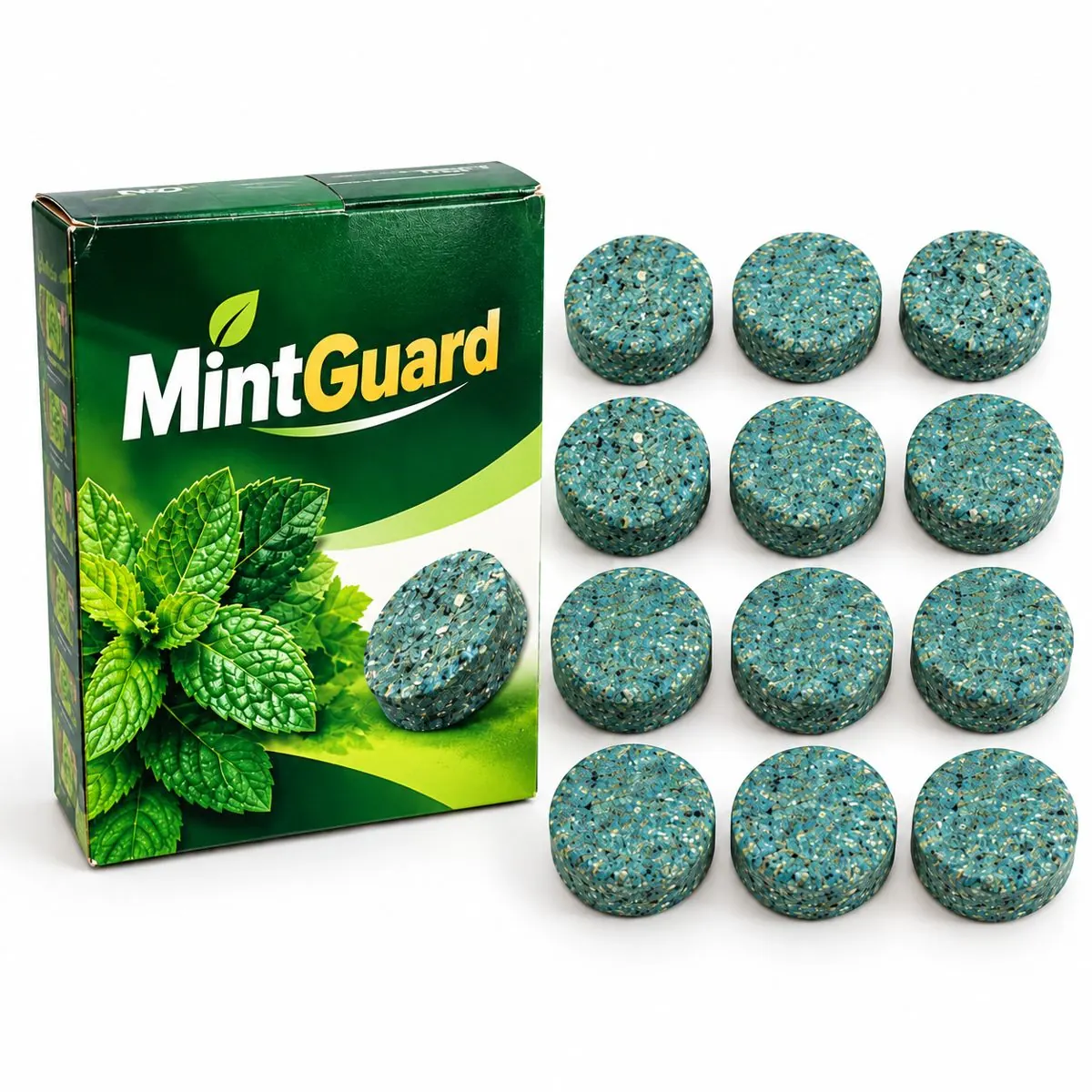
MintGuard presses peppermint with clove and castor oil into solid balls. Castor oil slows evaporation, so each ball keeps working for 30 to 60 days. Put one at each spot and swap when the scent fades.
Common questions
Do mice hate the smell of peppermint?
Mice are widely reported to avoid strong peppermint smells, which is why it's a popular natural deterrent.
Is peppermint safe to use around pets?
MintGuard has no poison, but essential oils are concentrated. Keep balls out of reach of pets and don't let them eat them.
Get MintGuard
12 pressed peppermint balls per pack. No poison, no traps. Tracked UK delivery and a 90-day money-back guarantee.
- Tracked UK delivery
- 90-day money-back
- Secure checkout
- What happens next: 1. Pay on our secure checkout · 2. We dispatch your order · 3. You get a tracking email
Written by the MintGuard team
Last checked 22 October 2026. Plain, practical advice for UK homes. For a serious or ongoing infestation, contact your local council pest service or a qualified pest controller. Keep all repellents out of reach of children and pets.