Mice in the garage: what to do and how to keep them out
Updated 23 October 2026 · By the MintGuard team
Quick answer
For mice in a garage, remove accessible food, protect stored belongings and inspect door edges and service gaps. Photograph droppings without touching them and avoid dry sweeping. Repeated new signs need active control and a proofing plan, often with a pest controller. Scent deterrents alone will not clear mice already nesting inside.
Garages offer shelter, quiet corners and plenty of nesting material. A bag of bird seed or a forgotten pet-food sack can make them more attractive still. You do not need to empty the whole garage onto the drive at once. Start with a safe inspection, deal with food and clutter in stages, and check how the garage connects with the rest of your home.
| Garage area | What to check | Practical response |
|---|---|---|
| Door edges | Gaps, worn seals | Suitable door repairs |
| Feed shelf | Chewed bags and spills | Robust lidded storage |
| Boxes and fabrics | Nesting material or soiling | Sort safely; reduce clutter |
| House connection | Service gaps and new signs | Coordinated inspection and proofing |
Confirm that mice are the likely visitors
Small droppings, shredded packaging and fine gnaw marks can suggest mice. A rustle behind shelving does not prove the species, and rats or other wildlife may use the same building. Take clear photographs of evidence where it lies and record which shelf, wall or door it was closest to.
Do not pick up pellets or pull apart a suspected nest. Keep children and pets out of the affected corner, especially if contaminated material is near tools or hobby equipment. If pellets are substantial, damage is extensive or identification is uncertain, ask a controller to inspect before choosing a treatment. The aim is to solve the actual problem rather than apply a mouse solution to every unexplained noise.
Remove food that makes the garage attractive
Bird seed, grass seed, pet biscuits and fishing bait are easy to overlook because they are not human food. Inspect packaging for gnawing and contamination. Transfer unaffected supplies into sturdy, tightly closing containers, ideally metal where practical, and keep labels or instructions with the contents.
Clean spills beneath shelves, not just the visible floor. Empty rubbish regularly and avoid storing food waste by the connecting door. A mouse does not need an open bag if it can chew into weak packaging, so simply folding the top over is not enough. If feed has been contaminated, do not offer it to pets or wild birds. Dispose of it safely and check nearby stock before moving it into the house.
Best for this problem
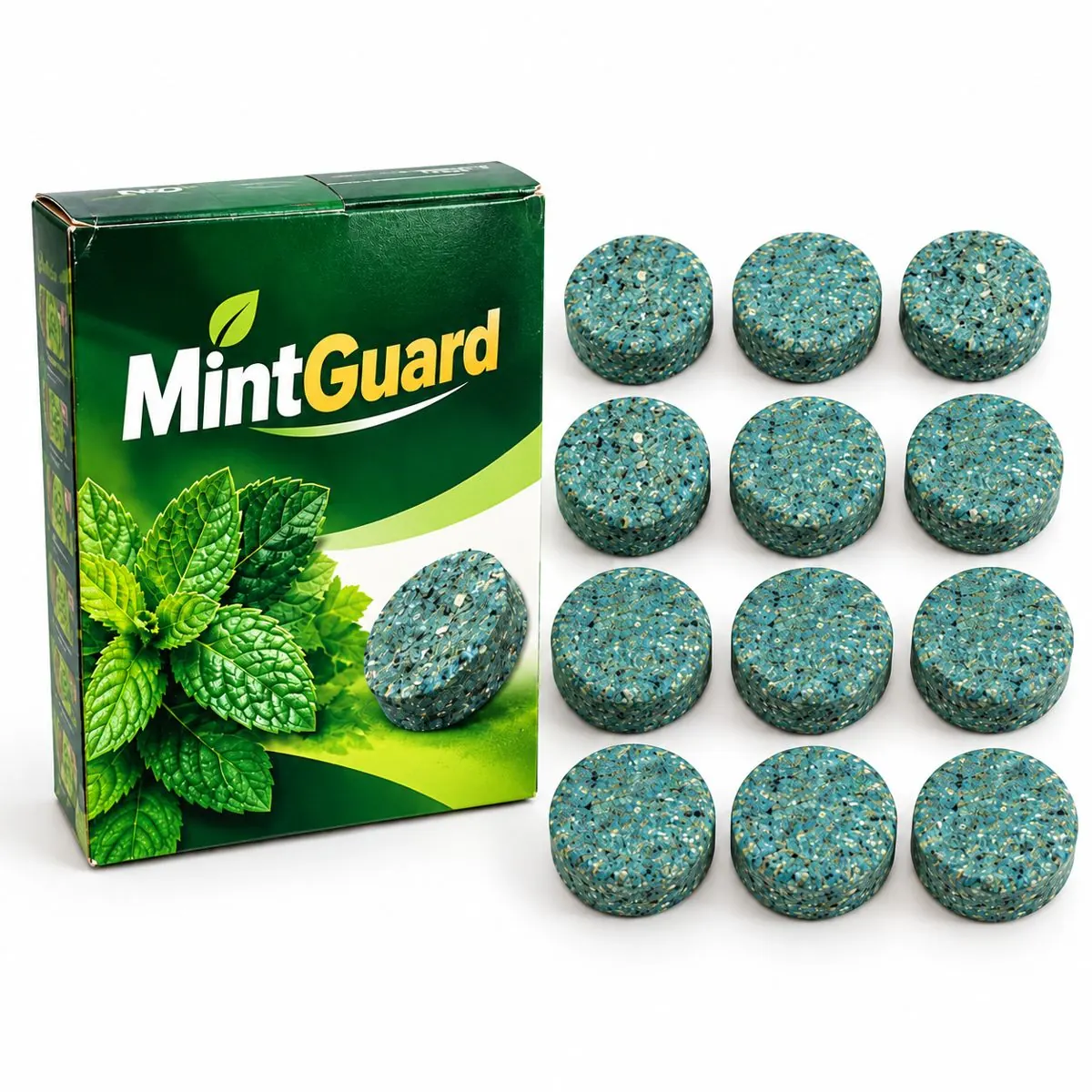
For prevention after cleaning and proofing, start with one MintGuard pack of 12 balls for £39. Choose only enough for dry, inaccessible placement points; it will not clear an established infestation.
Check the garage door and building edges
Look at the corners of an up-and-over door, the threshold, side seals and any uneven junction with the floor. Mice can use very small openings, so a gap that looks minor to you may still matter. Inspect in daylight from safe positions and note places where light shows around the closed door.
Examine pipe entries, cable routes and the junction between walls and roof without climbing on unstable storage. Ask a door installer about suitable brush strips, seals or threshold repairs if the door does not close evenly. Do not obstruct ventilation, drainage or fire-safety features. Where an opening appears actively used, coordinate exclusion with a pest controller so that permanent repairs do not leave animals confined inside.
Protect stored belongings and reduce hiding places
Cardboard boxes, old cushions, insulation offcuts and loose fabric offer sheltered nesting opportunities. Sort small areas at a time with gloves and avoid shaking dusty items. Use robust lidded storage boxes where appropriate, and leave enough space around shelving to inspect wall edges without moving everything.
Keep frequently used tools in clean areas and isolate items showing contamination until they can be assessed. Do not take an affected box straight into a bedroom or kitchen to sort it. Photograph important damage for a landlord or insurer before disposal. Reducing clutter is not a treatment by itself, but it makes fresh signs easier to spot and gives a professional better access to investigate the route.
Check connections with the house
An attached garage can provide access towards a utility room, kitchen or concealed service void. Inspect the connecting door and nearby pipework, but remember that fire doors and fire stopping need appropriate repairs. Do not drill, wedge open or modify a fire door simply to fit a pest product.
Look for new evidence on the house side as well as in the garage. If activity reaches food preparation areas, tell the controller rather than treating each room independently. Tenants should report defects promptly and keep a dated record of signs and correspondence. A shared service route may need action from a landlord or managing agent, even when your own garage is tidy and its main door appears well sealed.
Vehicles, tools and damaged wiring
Mice may shelter near stored machinery or vehicles. Look for visible nesting material and damage without reaching into moving parts or handling suspect cables. If wiring appears chewed, stop using the affected equipment and ask a qualified repairer to assess it. A pest visit does not replace electrical or mechanical safety checks.
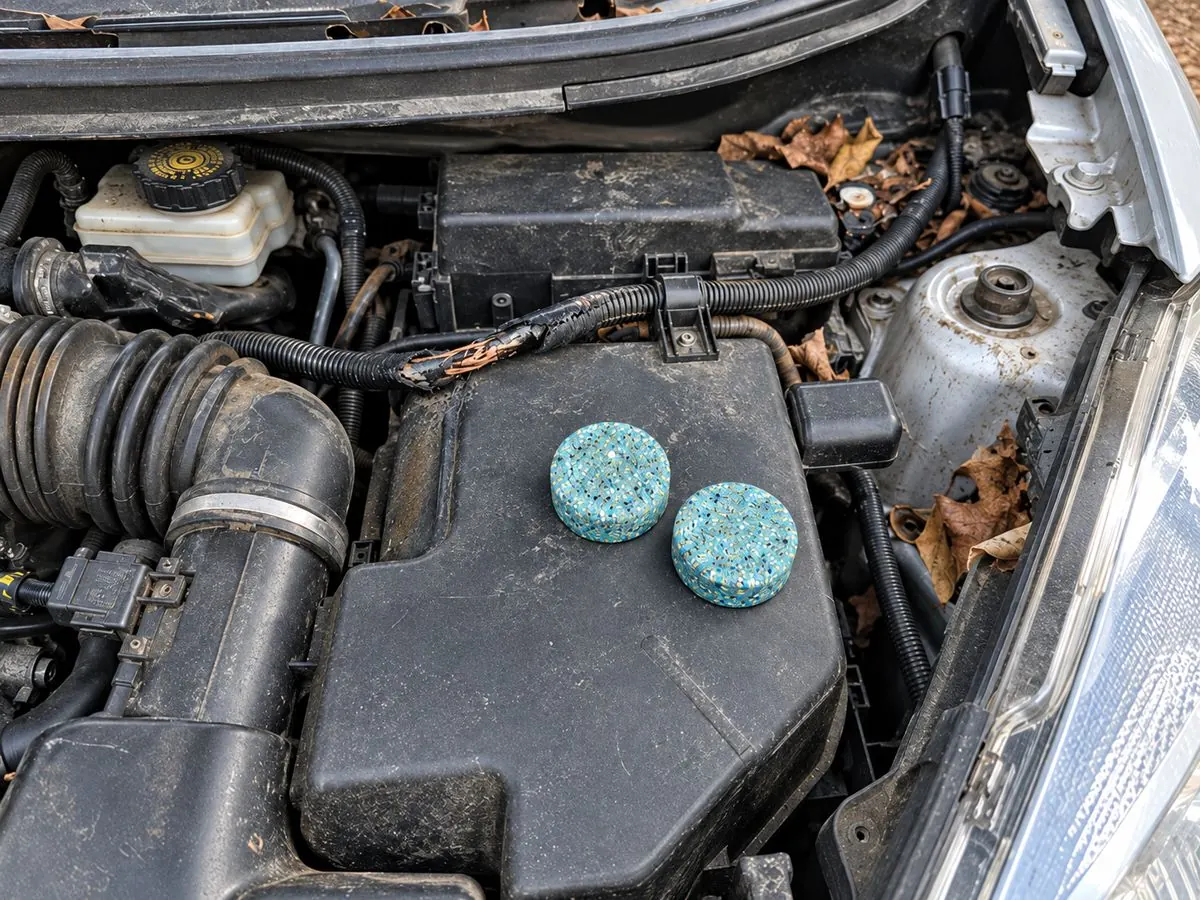
If you use MintGuard near a car, choose a flat, cool spot in the engine bay such as the battery tray, away from the exhaust and belts, or the boot or footwell. Follow vehicle and product instructions and avoid anything that could obstruct controls or move during driving. Never tuck a ball onto a hot component. If a position is unsuitable or cannot be checked safely, do not use it there.
Cleaning the garage without spreading contamination
Avoid dry sweeping or ordinary vacuuming over droppings and nesting debris. For a small accessible patch, ventilate where practical, wear gloves and use a suitable disinfectant according to its label before careful removal. Do not mix cleaning products or spray electrical equipment. Wash your hands afterwards.
A garage with widespread soiling, contaminated insulation or an inaccessible nest needs professional cleaning advice. Keep suspect items apart from clean belongings rather than redistributing them around the building. Rat urine can carry leptospirosis, and the species may not yet be confirmed; protect cuts and seek medical advice if you become unwell after potential exposure. Tell the healthcare professional about the contact so they can assess it in context.
Where MintGuard helps, and where it does not
MintGuard is a scent deterrent made with pressed peppermint, clove and castor oil balls. It can form part of a prevention routine after food removal and proofing, but it will not clear an established garage infestation. Repeated fresh droppings need investigation even if the garage smells strongly of mint.
One pack contains 12 balls for £39. Two packs cost £69, three £89 and four £109; each ball lasts 30–60 days. Choose dry, retrievable positions out of reach of children and pets and away from stored feed. MintGuard is sold only on mintguard.co.uk with a 90-day money-back guarantee. Buy for the number of suitable positions you actually have rather than assuming a larger bundle compensates for an open door gap.
When to get help and how to monitor afterwards
Call a pest controller if new signs continue, the garage connects to occupied rooms, you suspect a nest or damage affects wiring. Ask how identification, treatment, follow-up and permanent proofing will be handled. Your council may offer a service; GOV.UK can direct you to local reporting, but charges and availability vary.
Glue traps have been illegal for the public to use on rodents in England since 31 July 2024. Restricted professional licences are not permission for household use. After the problem is resolved, keep a dated check of door seals, feed storage and previously affected corners. Inspect after building work or changes to the door. A prevention routine should reveal renewed activity early, not simply mask it with scent.
Common questions
Can mice enter a garage with the door closed?
Yes, if there are gaps around the door edges, threshold or other building openings. Inspect the whole perimeter rather than only the bottom seal. A well-fitted door is useful, but service holes and connections to adjoining spaces also need attention.
Does a garage need mouse control in summer?
Activity is possible throughout the year. Food and shelter can attract mice regardless of the weather. Base your response on fresh evidence rather than waiting for winter, especially if the garage contains animal feed or connects with your kitchen.
Will moving everything out get rid of mice?
Not reliably. It may disturb a nest without addressing access or food, and moving contaminated boxes can spread the problem. Sort safely in stages and combine storage changes with identification, suitable control and repairs.
Is expanding foam enough around garage pipes?
Foam alone is not a dependable rodent barrier because it can be damaged. Ask for a repair suited to the gap and building materials, using gnaw-resistant components where appropriate. Preserve ventilation, drainage and any required fire stopping.
Can I put peppermint oil in a stored vehicle?
Do not pour oil onto components, fabrics or wiring. It can damage surfaces and does not resolve an infestation. Use only a product suited to the location, follow instructions and prioritise inspection if there are signs of nesting or cable damage.
Should I tell my landlord about mice in the garage?
Yes, particularly where structural gaps, shared spaces or connections to the home may be involved. Send dated photographs and explain any damage. Responsibility depends on the circumstances, so keep records and ask for a clear plan rather than assuming who must arrange every part of the work.
Sources
Get MintGuard
12 pressed peppermint balls per pack. No poison, no traps. Tracked UK delivery and a 90-day money-back guarantee.
- 2 MintGuard packs
- £69
- UK delivery
- Calculated at checkout
- You save
- £87
- Total
- £69
- Tracked UK delivery
- 90-day money-back
- Secure checkout by Shopify


Pay with Apple Pay or Google Pay in one tap
- What happens next: 1. Pay on our secure checkout · 2. We dispatch your order · 3. You get a tracking email
Written by the MintGuard team
Last checked 23 October 2026. Plain, practical advice for UK homes. For a serious or ongoing infestation, contact your local council pest service or a qualified pest controller. Keep all repellents out of reach of children and pets.