Mouse vs rat droppings: what is the difference?
Updated 23 October 2026 · By the MintGuard team
Quick answer
Mouse droppings are usually small, slender pellets, often around 3–6 mm long. Brown rat droppings are usually thicker and roughly 15–20 mm long. These are guides, not a diagnosis: size overlaps and other animals leave similar material. Do not handle droppings; photograph them safely and consider location, damage and repeated activity together.
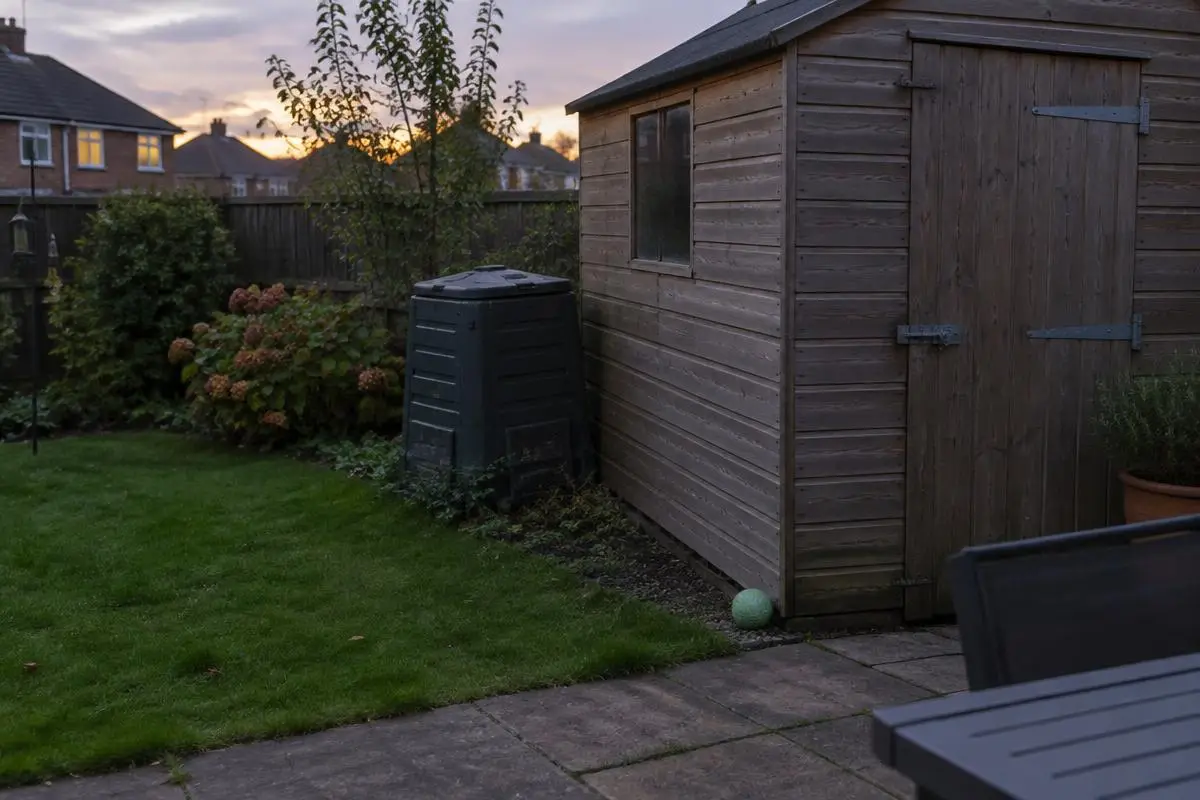
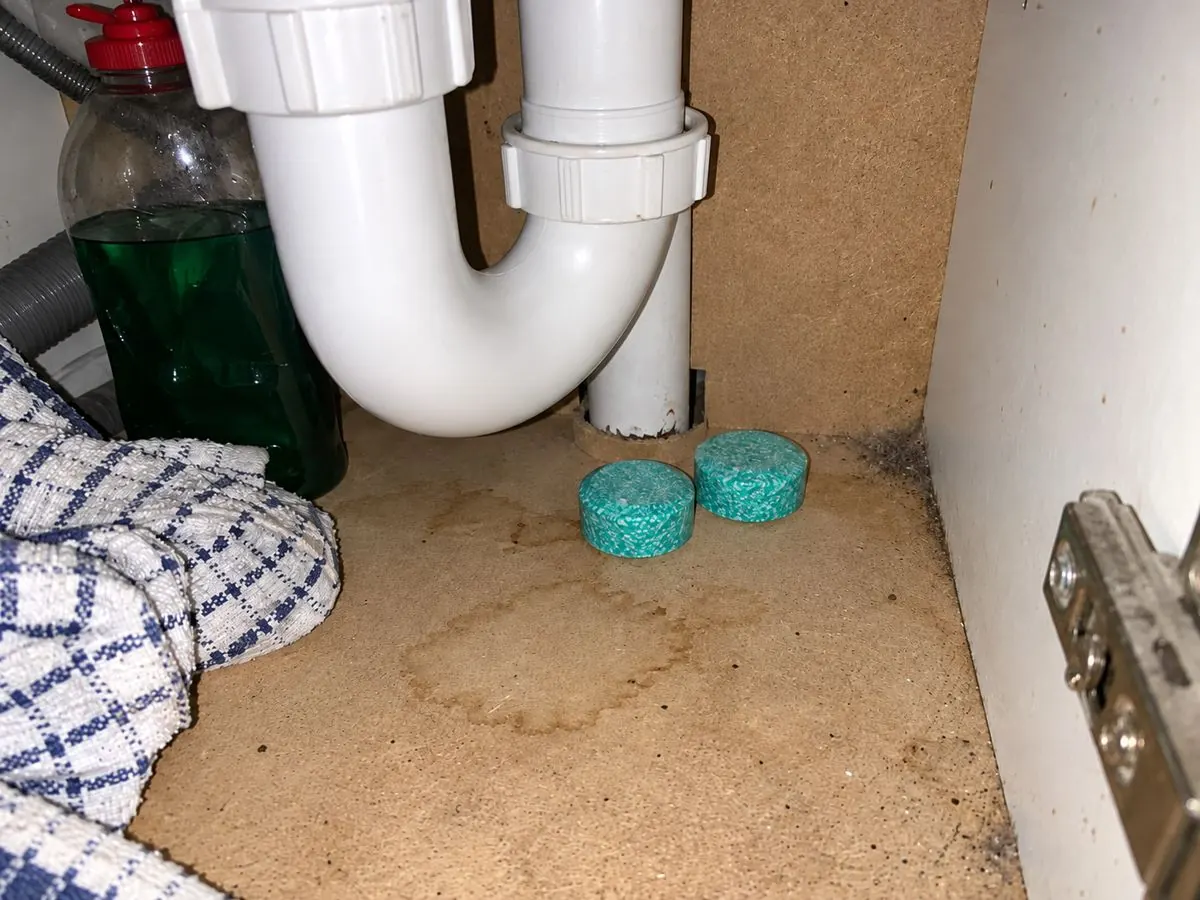
Finding dark pellets under a cupboard or in a shed raises two questions: what left them, and what should you do next? You do not need to touch, crush or smell them to start answering either question. This UK guide compares common clues, explains the limits of photographs and sets out a sensible approach to cleaning and getting help.
| Feature | House mouse: typical clue | Brown rat: typical clue |
|---|---|---|
| Length | Around 3–6 mm | Roughly 15–20 mm |
| Shape | Slender; may have pointed ends | Thicker; often blunter ends |
| Location | Food stores and sheltered routes | Runs, shelter and waste areas |
| Certainty | Needs supporting evidence | Needs supporting evidence |
Size and shape: the clearest starting point
House mouse droppings often resemble small dark grains of rice, with a slender shape and sometimes pointed ends. Brown rat droppings tend to look more substantial, with a thicker body and often blunter ends. Neither description is universal, and weathering can alter appearance.
Use approximate measurements rather than comparisons with a coin remembered from a photograph. Place a ruler near the material without touching or moving it, then take a clear image. Do not place a phone, keys or other items on a contaminated surface for scale. A single broken pellet is especially hard to identify because its full length and original shape are unknown.
Location helps explain what you are seeing
Mice may leave small pellets around stored food, cupboard edges and concealed routes. Rats can leave droppings along sheltered runs, beside waste areas or near access into buildings. However, both animals can use garages, kitchens and roof spaces. A particular room does not establish the species.
Write down whether pellets were scattered across a shelf, concentrated at an edge or found beside an opening. Note damaged packets, chewed materials and any nearby food. Give the controller this wider picture rather than sending only a close-up. In a shared building, signs in several rooms may reflect a connected route through service spaces rather than separate, unrelated problems.
Best for this problem
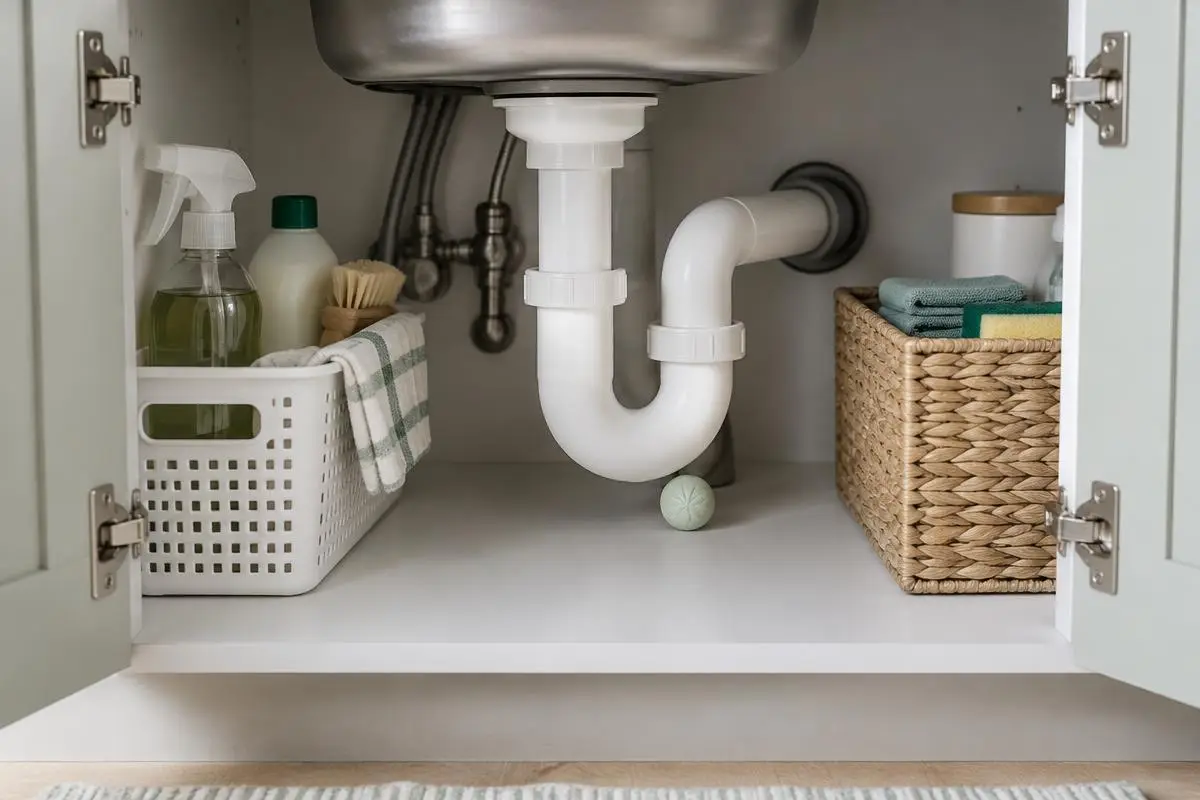
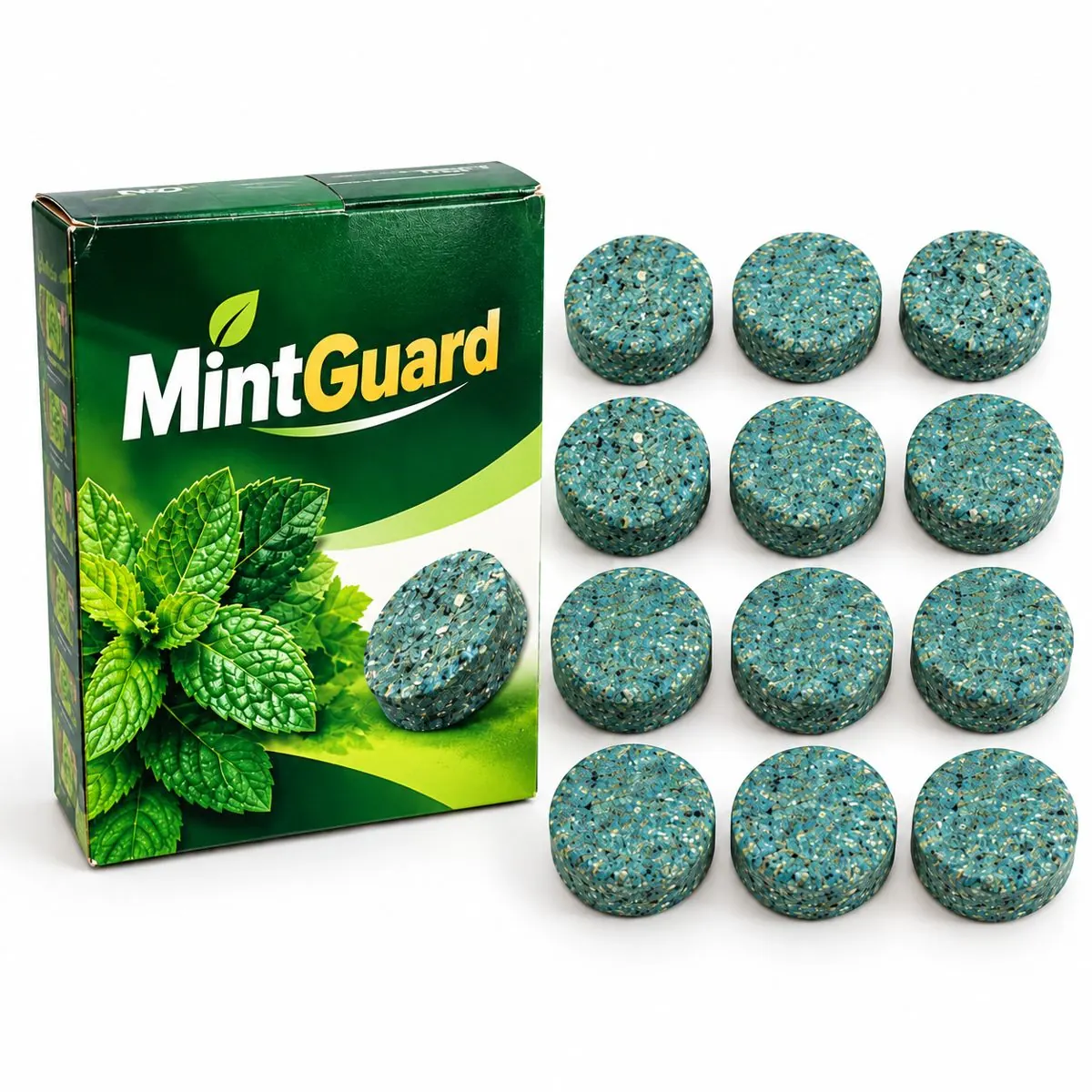
For prevention after cleaning and proofing, start with one MintGuard pack of 12 balls for £39. Choose only enough for dry, inaccessible placement points; it will not clear an established infestation.
What else can look like rodent droppings?
Material from bats, birds, insects and other garden wildlife can be confused with rodent droppings. Seeds, crumbs and building debris also cause false alarms. Avoid online identification tricks that tell you to crush pellets with your fingers: they expose you to contamination and still may not give a reliable answer.
Droppings below a roof gap or a regular roosting point deserve particular care. If bats could be involved, seek specialist bat advice before disturbing the site or blocking access; bats and their roosts have legal protection. A controller should explain identification uncertainty rather than claiming every small dark pellet is definitely a mouse. Clear photographs and an undisturbed location are useful starting points.
Can you tell fresh droppings from old ones?
Fresh droppings may look darker or shinier, but moisture, sunlight, diet and the surface beneath them affect appearance. There is no dependable home test that dates a pellet by its colour. Never squeeze it to check whether it is soft, and do not assume faded droppings are safe to handle.
The more useful question is whether new evidence appears after safe cleaning or a professional assessment. Keep a dated note of the original location and check accessible areas without disturbing them. Repeated new pellets, renewed damage or recorded rodent movement support current activity. If the area has not been inspected for years, a large accumulation cannot tell you how many rodents are currently present.
Before you clean: isolate and record the area
Keep children and animals away. If food or utensils may have been contaminated, stop using them until you have decided what can be cleaned safely and what should be discarded. Photograph the evidence first if you need to inform a landlord, a managing agent or a pest contractor.
- Avoid walking through the affected area or moving contaminated boxes elsewhere.
- Do not shake fabrics, insulation or stored packaging indoors.
- Ventilate an accessible room where it is safe to do so.
- Have gloves, suitable cleaning materials and a waste bag ready.
- Ask for professional cleaning advice where contamination is extensive.
Do not dismantle appliances or enter cramped roof spaces just to collect more evidence. A limited, safe inspection is enough to justify asking for help.
Cleaning a small, accessible patch safely
Avoid dry sweeping, brushing or using an ordinary vacuum on droppings. These methods can disturb dust and spread contamination. Wear gloves, use an appropriate disinfectant according to its instructions and dampen the affected material before careful removal. Observe the product's contact time and surface restrictions rather than wiping it away immediately.
Bag waste carefully, clean the surrounding washable surface and wash your hands after removing gloves. Never mix disinfectants or improvise a chemical cocktail. Porous materials, extensive soiling, ventilation systems and contaminated insulation may need specialist handling. The NHS explains that leptospirosis can spread through infected animal urine; if you become unwell after possible exposure, explain that history to a healthcare professional. Droppings alone cannot diagnose a disease risk.
Finding the route after identification
Cleaning removes evidence and contamination but does not stop rodents entering. Once the likely animal is identified, inspect safe, accessible edges around doors, pipes and service openings. Ask a professional to assess routes you cannot see, especially where activity seems to come from wall or floor voids.
Store food and animal feed in robust sealed containers, clear spills and remove unnecessary cardboard nesting material. Agree the order of treatment and proofing before sealing an opening that appears active. Suitable repairs need to resist gnawing while preserving ventilation and drainage. Foam alone is not a dependable long-term barrier. If you rent, report structural gaps in writing and keep photographs so the responsibility for repairs can be discussed clearly.
Where MintGuard fits after the clean-up
MintGuard is a repellent, not a disinfectant or a treatment for contaminated materials. Its pressed peppermint, clove and castor oil balls are intended as a scent deterrent alongside food control and physical proofing. They will not identify the animal or clear an established infestation, and no scent can make droppings safe to handle.
A pack of 12 balls costs £39; two packs are £69, three £89 and four £109. Each ball lasts 30–60 days. MintGuard is sold only on mintguard.co.uk with a 90-day money-back guarantee. Position it only in suitable dry places away from food and out of reach of children and pets. Do not put loose balls into a contaminated void you cannot inspect or retrieve them from.
When identification needs professional help
Arrange a pest inspection if fresh droppings keep returning, food areas are affected or you cannot identify the species with confidence. Ask the controller to explain what supports the identification and how entry points will be investigated. Treatment should follow the evidence rather than a guess based on one photograph.
Your council may provide a service or advice; availability and charges differ. GOV.UK links to local reporting arrangements. Contact the landlord or managing agent for shared spaces and structural issues. Do not use glue traps as a shortcut: they have been illegal for the public to use on rodents in England since 31 July 2024. Restricted professional licensing does not make them a household option, and rules elsewhere in the UK should be checked separately.
Common questions
Can mouse droppings be as big as rat droppings?
There can be overlap, particularly when comparing different-sized animals or damaged pellets. Typical house mouse droppings are smaller and slimmer than brown rat droppings, but a measurement alone is not conclusive. Location, feeding damage and a professional inspection can resolve uncertainty.
Are all rat droppings the same shape?
No. Shape varies and damaged or weathered material may not look typical. A blunt-ended pellet is a clue, not proof. Do not rule rats in or out simply because a photograph differs from a drawing online.
Should I send a sample to a pest controller?
Ask first. Clear photographs and a location description may be sufficient, and a site visit can provide better context. Do not collect or post contaminated material unless the recipient has specifically explained safe collection, packaging and delivery requirements.
Can I vacuum up a few mouse droppings?
Avoid using an ordinary vacuum or dry brush. Use a damp cleaning method with suitable disinfectant and gloves for a small accessible area. Get professional advice for heavy contamination, awkward spaces or materials that cannot be properly cleaned.
Do droppings mean food in the cupboard is unsafe?
Food that may have been contaminated or packaging that has been chewed should not be eaten. Inspect the area without spreading material and clean washable surfaces appropriately. Protect replacement food in sealed containers while the rodent route is investigated.
How soon should I check again after cleaning?
Check accessible areas regularly without disturbing them, following any advice from your contractor. Keep a dated record of new evidence. Do not wait for a large accumulation before reporting repeated activity, particularly in a kitchen or food storage area.
Sources
Get MintGuard
12 pressed peppermint balls per pack. No poison, no traps. Tracked UK delivery and a 90-day money-back guarantee.
- 2 MintGuard packs
- £69
- UK delivery
- Calculated at checkout
- You save
- £87
- Total
- £69
- Tracked UK delivery
- 90-day money-back
- Secure checkout by Shopify


Pay with Apple Pay or Google Pay in one tap
- What happens next: 1. Pay on our secure checkout · 2. We dispatch your order · 3. You get a tracking email
Written by the MintGuard team
Last checked 23 October 2026. Plain, practical advice for UK homes. For a serious or ongoing infestation, contact your local council pest service or a qualified pest controller. Keep all repellents out of reach of children and pets.