Signs of rats in the house and garden
Updated 23 October 2026 · By the MintGuard team
Quick answer
The main signs of rats are sizeable rodent droppings, fresh gnawing, greasy marks along regular routes, burrows and repeated scratching. No single clue proves that rats are present. Look for several signs together, photograph them without handling anything, remove accessible food and ask a pest controller to investigate repeated activity indoors.
A noise under the floor or a hole beside the shed can be unsettling, but it is worth checking before deciding what caused it. Mice, wildlife and ordinary building noises can be mistaken for rats. This guide explains what UK homeowners can reasonably identify themselves, which clues need professional confirmation and what to do without spreading contamination or trapping animals inside.
| Sign | What it may suggest | Next step |
|---|---|---|
| Large rodent droppings | Possible rat activity | Photograph; avoid handling |
| Repeated scratching | Animal in a void, species uncertain | Record location and timing |
| Burrow beside shelter | Possible animal access | Keep clear; ask for identification |
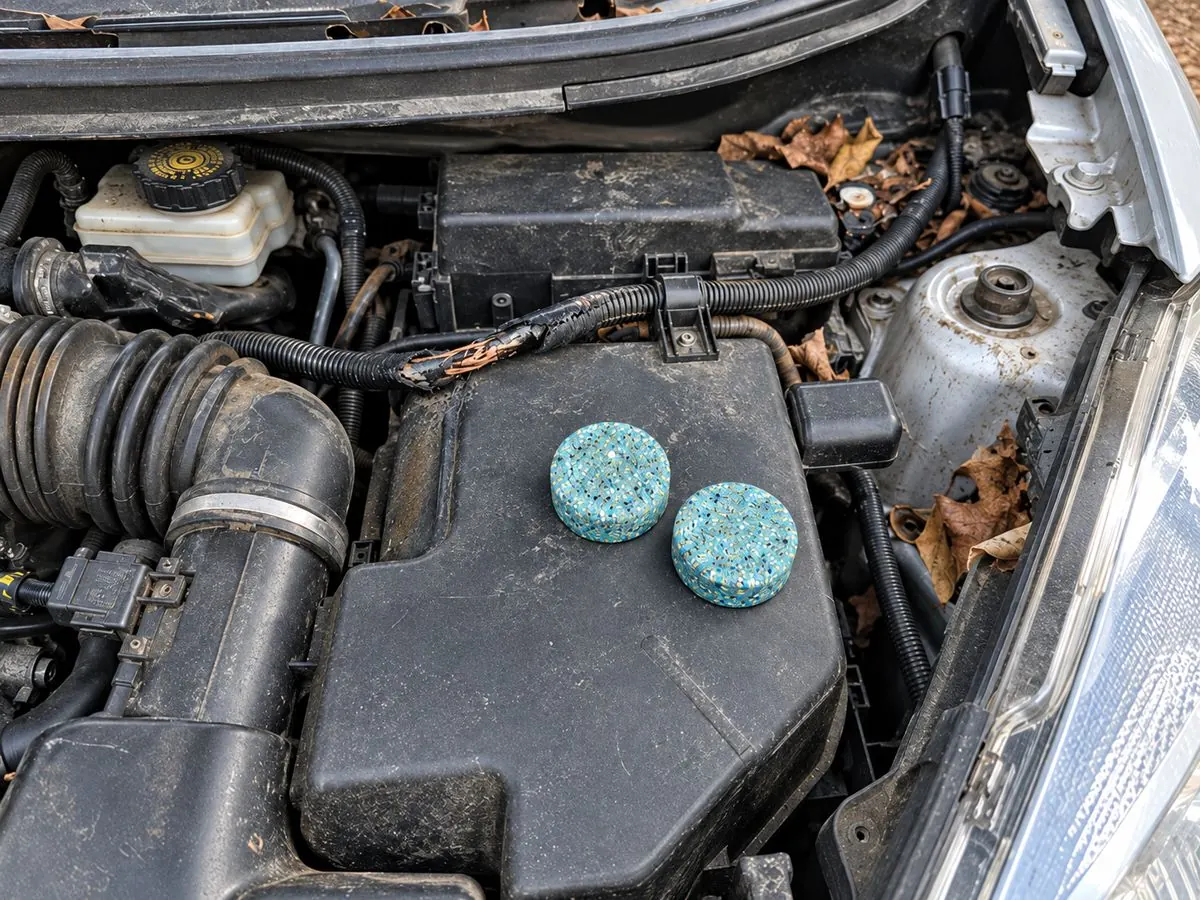
| New cable damage | Potential electrical hazard | Arrange electrical and pest inspections |
Rat droppings: a useful clue, not a diagnosis
Rat droppings are generally larger and thicker than house mouse droppings. Brown rat droppings are often roughly 15–20 mm long, although size varies with the animal and the material can change as it dries. A photo with a ruler placed nearby, without touching the material, is more helpful than a description such as “black pellets”.
Check sheltered edges rather than walking through suspect material: behind a bin, beside a wall, under an accessible shelf or near a pipe opening. Do not pick pellets up to test their texture. Slugs, bats and other animals can leave confusing material, so identification should consider location, feeding damage and nearby access points as well.
Scratching and movement in walls or ceilings
Rats can make scratching, scuffling or gnawing sounds in concealed spaces. They are often active when a house is quiet, but hearing something at night does not identify the species. Mice, squirrels, birds and even pipes can produce sounds that appear to travel through walls.
Write down when you hear the noise, which room it is loudest in and whether it follows a regular route. Listen from a safe, accessible position rather than lifting boards or crawling through insulation. If you also find fresh droppings or damaged food packaging, arrange an inspection. A recording may help describe the problem, but it cannot confirm rats on its own.
Best for this problem
For prevention after cleaning and proofing, start with one MintGuard pack of 12 balls for £39. Choose only enough for dry, inaccessible placement points; it will not clear an established infestation.
Gnaw marks, rub marks and unusual smells
Look for damage around door edges, timber, plastic containers and service openings. New damage may have lighter exposed surfaces, but appearance alone is an unreliable way to date it. Repeated damage in the same place matters more than one old mark left by a previous problem.
Greasy dark smears can build up where rodents repeatedly brush against edges. Dust, shoes and everyday dirt can make similar marks. An unpleasant smell is equally non-specific: a drain defect, damp or spoiled food may be responsible. Do not open electrical equipment to investigate chewing. If cables look damaged, keep clear and ask an electrician to assess them before using the affected equipment.
Garden burrows and routes beside fences
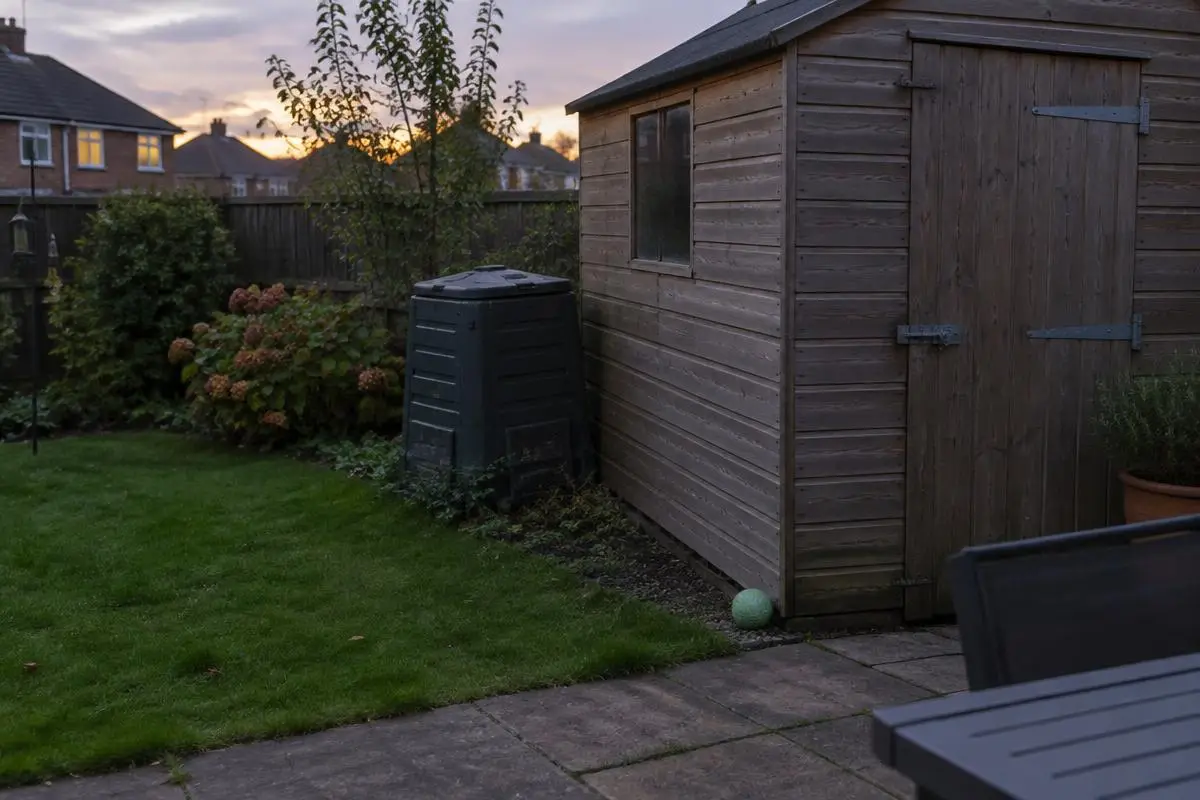
A rat burrow may have a worn entrance with disturbed soil nearby, especially beside a shed, decking or a compost area. However, a hole is not proof of rats. Other wildlife uses gardens, and underground services may be close to the surface. Avoid pushing tools into openings or flooding them to see what emerges.
Check from a distance for a repeated route connecting shelter with food. Fallen bird seed, accessible bins and food scraps are worth addressing whether or not rats are confirmed. Photograph the entrance and nearby surroundings for a controller. Keep pets away, and leave excavation or investigation of uncertain burrows to someone who can identify the occupants and assess the site safely.
How to tell whether activity is current
Old evidence can remain long after rodents have gone. Dropping colour, shine or hardness cannot reliably tell you exactly when it was left. Instead, make a dated record of what you find and compare it with later observations after a safe clean-up or professional visit.
Note the location of each sign, not just the total amount. Fresh damage to a newly stored bag, repeated camera footage or new droppings in a cleaned area are more useful than an undated stain. Do not leave out food to attract an animal for a photograph. Monitoring should help you understand an existing route, not establish a new feeding point beside your home.
What to do first when you suspect rats
Start with changes that reduce access to food and protect people. Put damaged food aside for safe disposal, close food containers and keep children and pets away from suspect areas. Photograph evidence before disturbing it, particularly if you rent or need to report a shared waste problem.
- Put pet food and bird seed in robust, lidded containers.
- Remove leftover pet meals rather than leaving them out overnight.
- Check bin lids and clean food residue around the bin area.
- Tell a landlord or managing agent about signs in shared spaces.
- Arrange inspection before permanently closing an actively used opening.
Do not scatter poison or use a strong scent as a substitute for identifying the route. Closing an entrance without a plan can leave animals inside the building.
Cleaning safely and protecting your health
Keep people away from droppings until you can clean safely. Avoid dry sweeping or ordinary vacuuming, which can disturb contaminated dust. For a small accessible area, ventilate where practical, wear gloves and dampen contamination with a suitable disinfectant used according to its label before careful removal. Never mix cleaning products.
Heavy contamination, inaccessible insulation and food preparation equipment need a more cautious assessment. Ask a professional what cleaning is appropriate. Rat urine can be associated with leptospirosis; protect broken skin and wash your hands after dirty work. If you feel unwell following possible contact with rodent urine or contaminated water, seek medical advice and explain the exposure rather than trying to diagnose yourself from symptoms online.
Where MintGuard helps, and where it does not
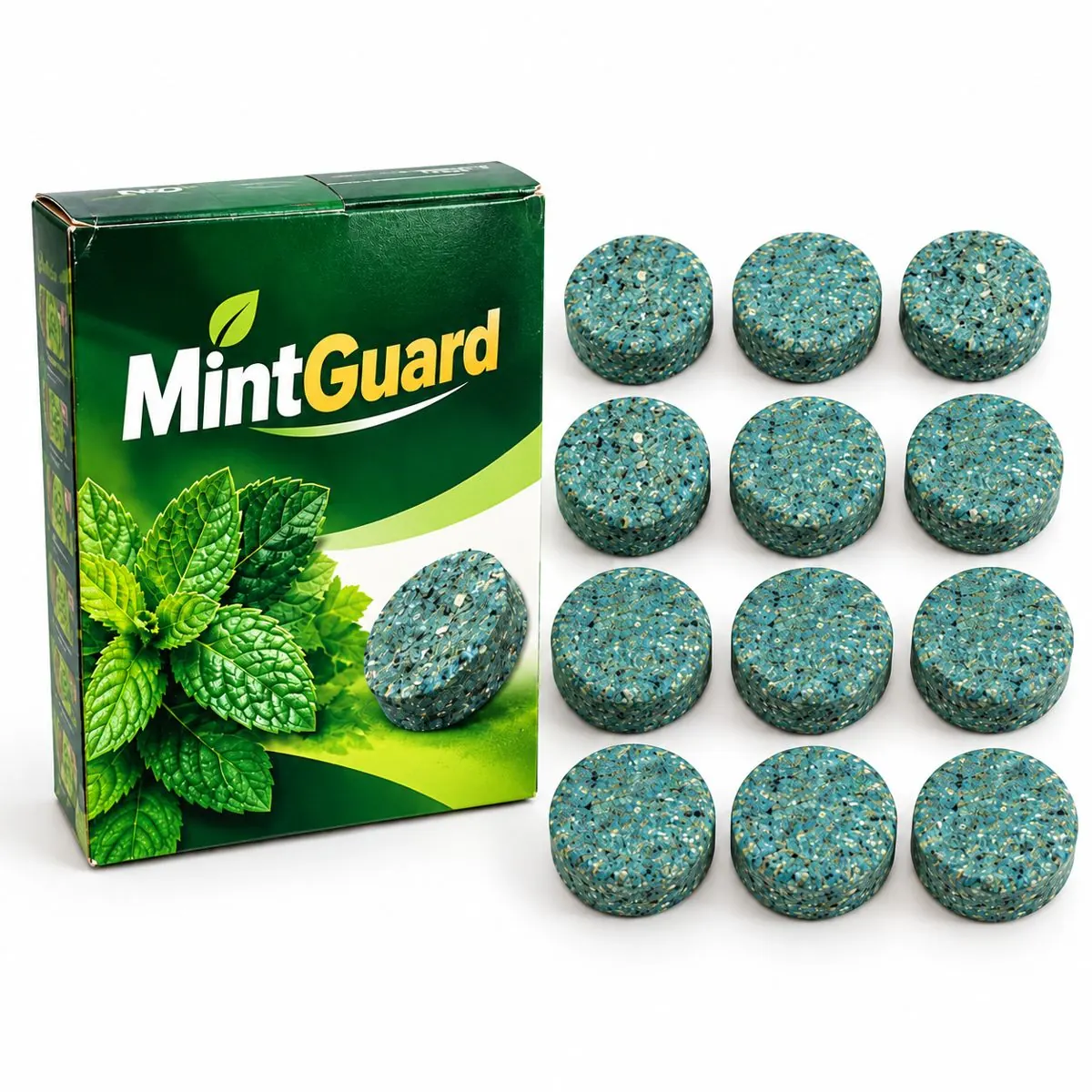
MintGuard is a scent repellent made from pressed peppermint, clove and castor oil balls. It is intended as a deterrent alongside food control and proofing, not as a way to identify the animal or clear an established infestation. A strong mint smell does not demonstrate that the route is protected.
One pack contains 12 balls and costs £39. Bundles are £69 for two packs, £89 for three and £109 for four. Each ball lasts 30–60 days. Buy only from mintguard.co.uk; orders have a 90-day money-back guarantee. Keep balls out of reach of children and pets, away from food and in suitable dry positions. The guarantee is a purchase policy, not a promise that rats will leave.
When to call your council or a pest controller
Seek help promptly if signs keep appearing indoors, you see rats entering the building, a nest is suspected or there is damage near wiring. A professional can assess the species, entry routes and appropriate control, then advise when proofing should be completed. Ask whether follow-up visits and a written prevention plan are included.
Use GOV.UK to find your council's reporting route. Services, charges and eligibility vary, and a private contractor may be needed. Report overflowing shared bins or suspected drainage faults to the responsible organisation as well. Glue traps have been illegal for the public to use on rodents in England since 31 July 2024; professional licensing is restricted. Do not assume the same rules apply across every UK nation.
Common questions
Can I have rats without seeing one?
Yes. Rodents can stay within concealed spaces and travel when rooms are quiet. Repeated droppings, damage or sightings on a camera can justify inspection even if you have never seen a live animal. Avoid taking the absence of a sighting as proof that a building is clear.
Does one rat mean there is an infestation?
One sighting cannot tell you how many animals are present. An outdoor visitor and an established indoor problem need different responses. Look for repeated activity and access to buildings, remove food sources and arrange inspection if evidence continues or rats enter the home.
Are rats always active at night?
They are often noticed after dark, but daytime sightings can happen. A daytime sighting alone does not prove a large infestation. Record where the animal was going and whether it approached shelter, bins or a building entrance.
Can a smell tell me where the rat nest is?
Not reliably. Smells can travel through voids and may come from drains, damp or other animals. Do not cut into walls or remove electrical fittings on that basis. Give a controller the location and timing alongside any visible evidence.
Should I fill a rat hole straight away?
Not if it appears active or its occupant is uncertain. Get advice on identification and the sequence of control and proofing first. Simply filling a burrow can displace activity without resolving the food source or route into your property.
Do rats mean my home is dirty?
No. Shelter, neighbouring activity, structural gaps and accessible food can affect well-kept homes too. Focus on practical changes rather than blame. Reporting shared waste and drainage problems may matter as much as cleaning your own kitchen.
Sources
Get MintGuard
12 pressed peppermint balls per pack. No poison, no traps. Tracked UK delivery and a 90-day money-back guarantee.
- 2 MintGuard packs
- £69
- UK delivery
- Calculated at checkout
- You save
- £87
- Total
- £69
- Tracked UK delivery
- 90-day money-back
- Secure checkout by Shopify


Pay with Apple Pay or Google Pay in one tap
- What happens next: 1. Pay on our secure checkout · 2. We dispatch your order · 3. You get a tracking email
Written by the MintGuard team
Last checked 23 October 2026. Plain, practical advice for UK homes. For a serious or ongoing infestation, contact your local council pest service or a qualified pest controller. Keep all repellents out of reach of children and pets.