What smells repel rats?
Updated 23 October 2026 · By the MintGuard team
Quick answer
Rats dislike strong, sharp scents. Peppermint and clove are the most commonly used, because they're strong and safe to have around the home. The key is keeping the scent going, which is why slow-release repellents work better than sprays.
Rats find food, mates and their way home by smell. Get in the way of that and your home becomes a lot less appealing.
| Scent | Used as a rat deterrent? | Notes |
|---|---|---|
| Peppermint | Yes, widely | Strong menthol; pleasant to people |
| Clove | Yes | Sharp, warming; often paired with mint |
| Ammonia | Sometimes | Unpleasant for people too; don't use indoors |
| Bleach | Not recommended | Harsh fumes; no lasting effect |
| Chilli and pepper | Sometimes | Can irritate pets and people |
Why strong scents work
Strong smells mask the food and trail smells rats use and make a route unpleasant to travel. They don't work for long if the scent fades, and they don't remove rats that are already nesting.
Home remedies that don't last
Oils on cotton wool, sprays and dried herbs all fade fast. You'll need to refresh them every few days, especially in warm or draughty spots.
Best for this problem
For an optional scent-based prevention measure, 1 pack of 12 MintGuard balls costs £39, sold only on mintguard.co.uk. Choose it for convenience alongside proofing, not as an alternative to dealing with active rats.
A scent repellent that keeps going
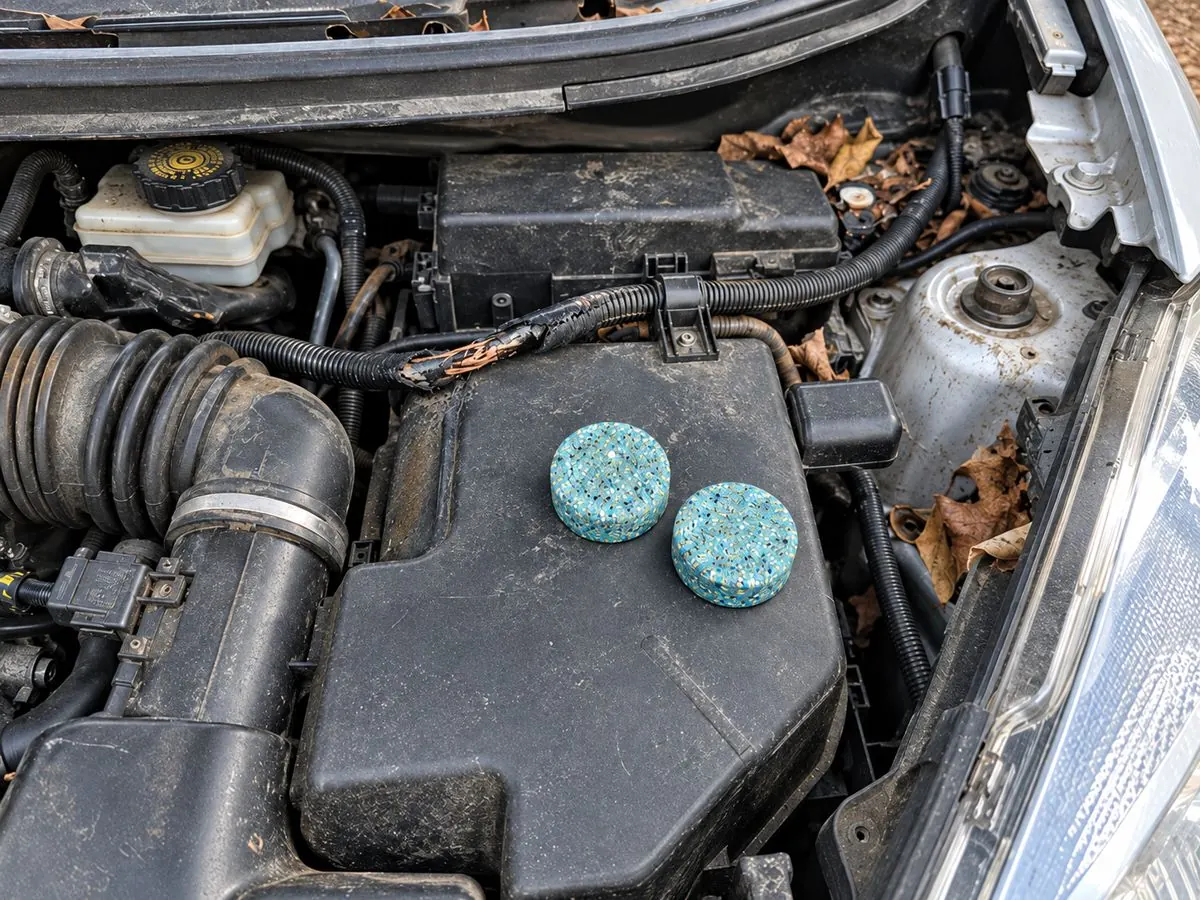
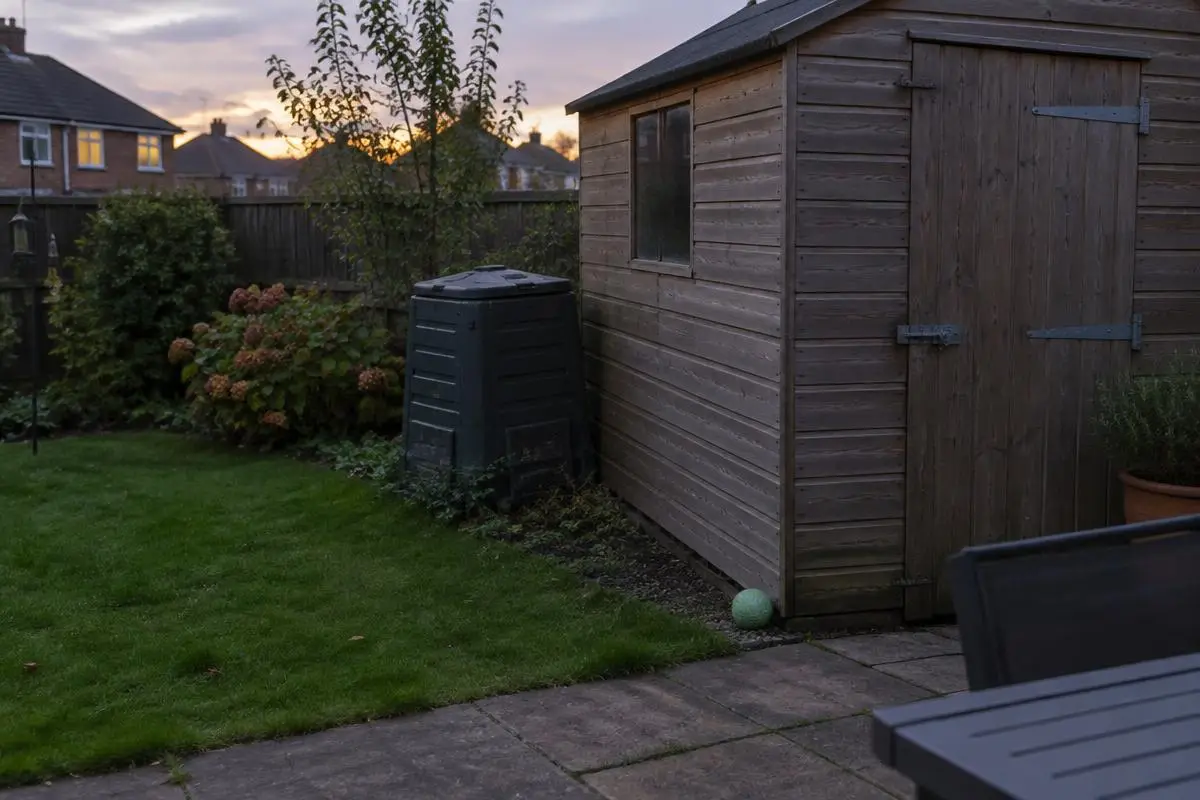
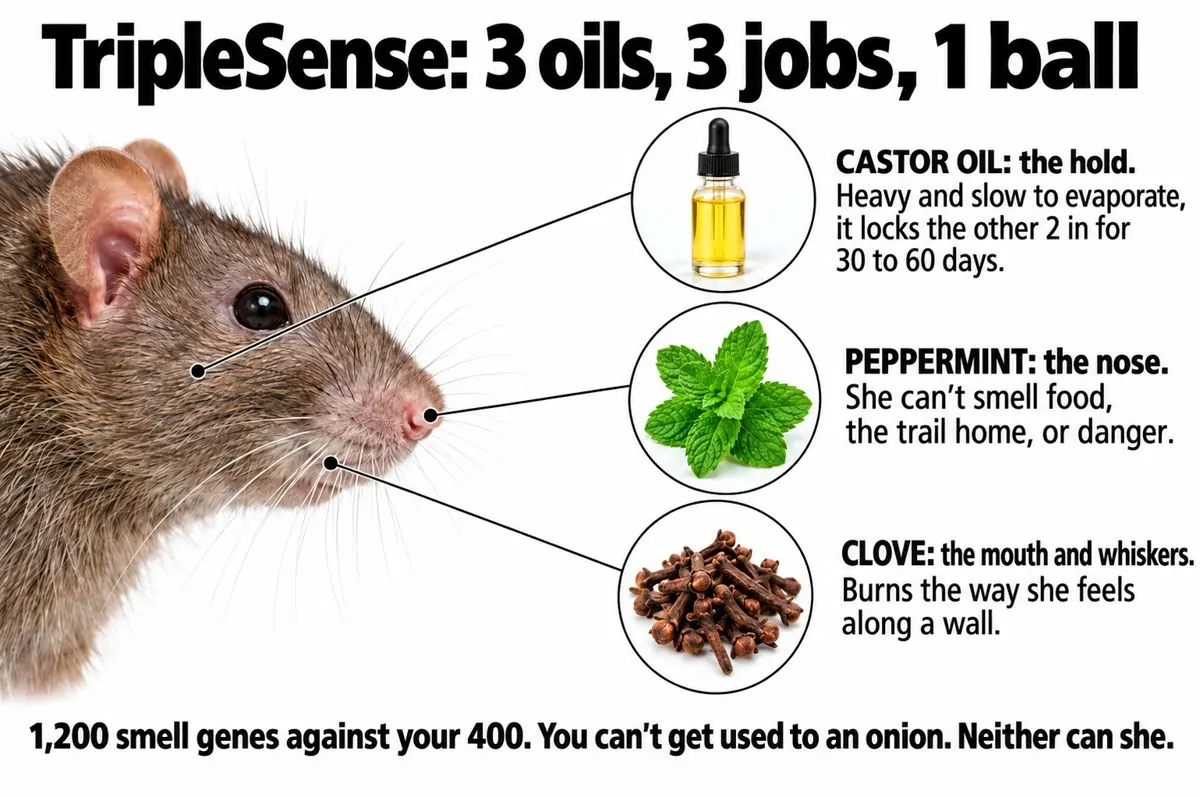
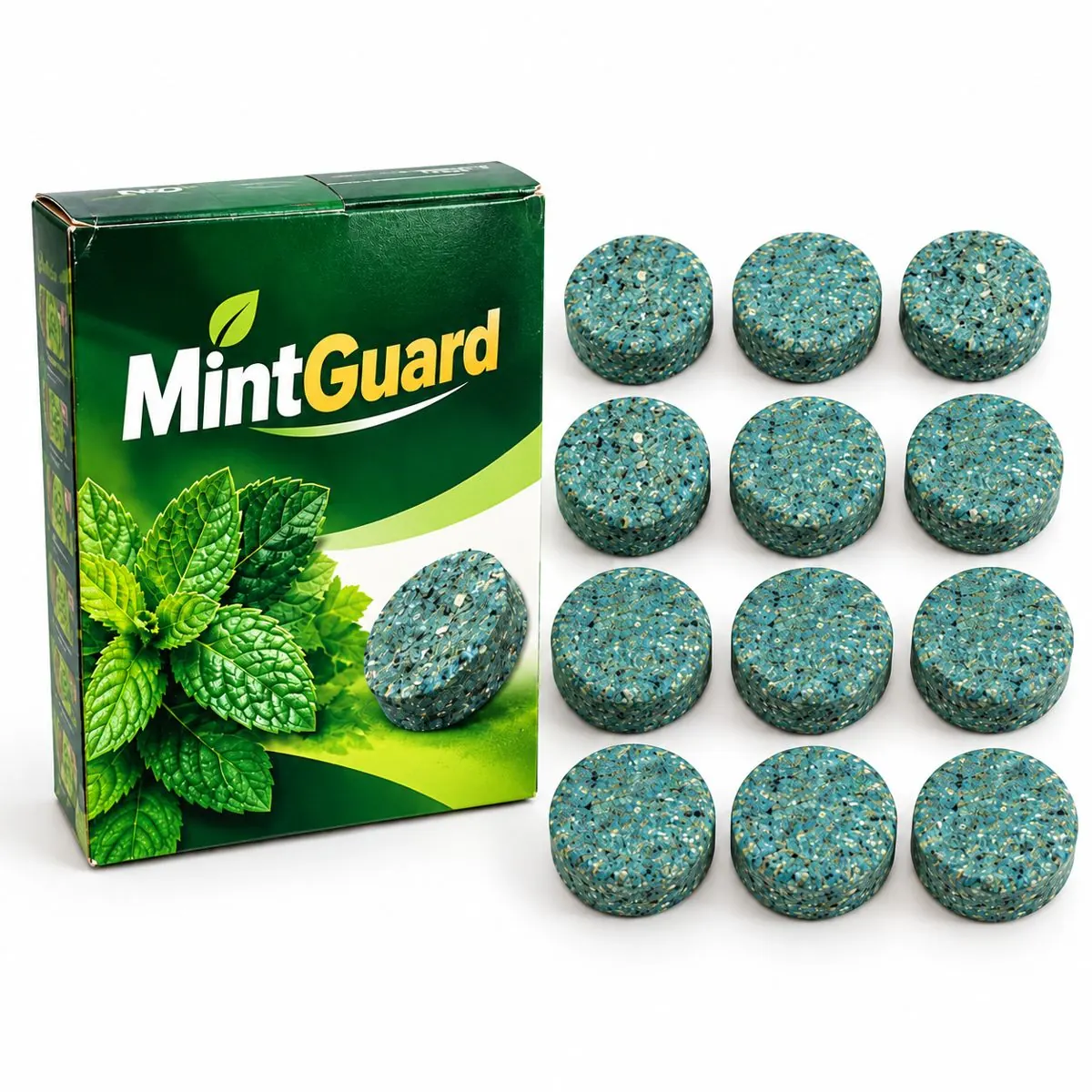
MintGuard combines peppermint and clove with castor oil in a pressed ball, so the scent keeps releasing for 30 to 60 days. Put one at each way in.
Start with what repels rats in practice
When people ask what repels rats, they often want one smell that solves the whole problem. In practice, access to food, water and shelter matters more than finding the most pungent bottle. A rat may avoid an unfamiliar patch and still reach the same building by a different route.
A scent can be noticeable without being a dependable repellent. Reports of rats moving away do not establish lasting control, and popularity is not evidence of effectiveness. Judge a prevention plan by reduced access and the absence of fresh activity after appropriate monitoring, not by how strongly the room smells.
Bleach is for its labelled purpose, not a rat barrier
Does bleach repel rats? There is no good reason to rely on household bleach as a lasting barrier. Its role is cleaning or disinfection where the particular label permits, not excluding rodents. A cleaned surface still needs inspection for gaps and recurring contamination.
Never mix bleach with vinegar, other acids, ammonia or other cleaning products. Dangerous gases can result. Do not leave open bowls of bleach, soak garden boundaries or pour it into suspected burrows. Keep cleaning products in their original containers, follow ventilation instructions and keep children and animals away during use.
Vinegar is not a dependable answer either
Does vinegar repel rats? A sharp smell alone does not demonstrate that it will keep them out. There is no established domestic vinegar routine that replaces proofing or removes an infestation. Repeated spraying can also be unsuitable for some surfaces; check the material and product guidance before cleaning.
Do not combine vinegar with bleach or use it to strengthen another chemical treatment. If you have already cleaned an area, the next useful step is finding how rats reach it, not layering on more odours. Record fresh activity so you can distinguish new signs from the material you originally found.
Jeyes Fluid: read the actual label
Does Jeyes Fluid repel rats? Do not assume that an outdoor cleaning or disinfectant product is authorised or demonstrated to be a rodent repellent. Products and formulations can change, so check the label on your own container rather than relying on an old online recipe.
Use it only for the stated purposes and follow all dilution, disposal and safety directions. Do not pour it into burrows, spread it along a boundary as a chemical fence or put it near animal bowls. If rats keep visiting an outbuilding, an inspection of access, feed storage and waste is a better next step than escalating chemical use.
Avoid exchanging one problem for another
Ammonia, mothballs, chilli powder and strongly fragranced cleaners appear in home-remedy discussions. That does not make them suitable around a household. Irritating dust, fumes and accessible chemicals can expose people and animals without resolving the rodent problem. Never use a product outside its stated purpose simply because the smell seems unpleasant.
- Keep cleaners and deterrents away from food and animal bedding.
- Do not decant chemicals into drinks bottles or unlabelled jars.
- Avoid open dishes of oils or cleaners where children or pets can reach them.
- Seek veterinary advice promptly after suspected animal poisoning.
Choose fewer, clearly labelled products rather than a collection of improvised mixtures. Good waste storage and suitable repairs do not require a stronger fragrance.
Where MintGuard helps, and where it doesn't
MintGuard is an optional prepared scent deterrent using peppermint, clove and castor oil. It avoids the need to make a household chemical mixture. Each ball has a stated replacement interval of 30–60 days, but that does not establish that rats will avoid a particular area throughout that time.
It does not clear an established infestation, make droppings safe or replace a repair. Keep balls inaccessible to children and pets and away from food-contact surfaces. The fact that ingredients come from plants is not a blanket safety assurance. If fragrances are a problem in your household, prioritise non-scented prevention measures and professional advice.
When to call your council or a pest controller
Call promptly for recurring indoor droppings, repeated sightings, damaged food or suspected nesting. Activity linked to drainage, shared bins or neighbouring premises may need a wider investigation. In a rented home, notify the landlord or managing agent and keep photographs and dates where it is safe to do so.
Your council may provide a service or advice, with charges and eligibility varying locally. Ask a controller to explain the source of activity, precautions, follow-up and recommended proofing. Do not postpone that conversation while testing every suggested smell. The sources below support general safety and reporting advice; they are not evidence that a particular fragrance controls rats.
Common questions
What smell do rats hate the most?
Peppermint is the most popular choice in the UK, often combined with clove. Both are strong and safe to use around the home when placed out of reach.
Does bleach repel rats?
Bleach isn't a good repellent. The smell fades quickly and the fumes are unpleasant and unsafe in enclosed spaces.
Can I mix bleach and vinegar to deter rats?
No. Mixing bleach with an acid such as vinegar can release dangerous gas. Never combine cleaning products to make a deterrent. If a mixture causes fumes or symptoms, leave the area and seek urgent advice rather than attempting to continue cleaning.
Will a bowl of ammonia keep rats away?
Do not leave ammonia out as a household rat remedy. Fumes and accidental contact can create hazards, and an open bowl does not block access. Address food and entry routes and ask for help if signs persist.
Does Jeyes Fluid get rid of rats under decking?
Do not use it to flood suspected nesting areas. Follow only the uses on the current product label. Recurring activity under decking needs an assessment of food sources, shelter and safe access for inspection.
Will vinegar on a fence stop rats entering the garden?
Do not rely on a scented fence as a barrier. Rats may take another route, and a garden boundary is not made rodent-proof by spraying it. Secure waste and animal feed and investigate recurring routes.
Do mothballs repel rats in a shed?
Do not repurpose mothballs for rat control. They are not a general outdoor or building repellent. Follow their label, keep them inaccessible and investigate what is attracting rats to the shed instead.
Is the strongest-smelling rat repellent the best?
Not necessarily. What smells strongest to you does not establish effective exclusion or acceptable exposure for pets. Choose measures by evidence, suitability and safe use, not by how uncomfortable they make a room.
Can I remove a dead-rat smell with peppermint?
Fragrance may mask an odour but does not remove its source or contamination. Ask a pest controller about locating and safely removing the source, especially in an inaccessible void. Do not dismantle electrical or structural fittings yourself.
Sources
Get MintGuard
12 pressed peppermint balls per pack. No poison, no traps. Tracked UK delivery and a 90-day money-back guarantee.
- 2 MintGuard packs
- £69
- UK delivery
- Calculated at checkout
- You save
- £87
- Total
- £69
- Tracked UK delivery
- 90-day money-back
- Secure checkout by Shopify


Pay with Apple Pay or Google Pay in one tap
- What happens next: 1. Pay on our secure checkout · 2. We dispatch your order · 3. You get a tracking email
Written by the MintGuard team
Last checked 23 October 2026. Plain, practical advice for UK homes. For a serious or ongoing infestation, contact your local council pest service or a qualified pest controller. Keep all repellents out of reach of children and pets.