Rats in the walls: what to do about scratching noises
Updated 22 October 2026 · By the MintGuard team
Quick answer
Scratching in the walls at night usually means rats or mice in the cavity. Find where they get in (often air bricks, waste pipes or the eaves), get an active problem treated professionally, then seal the gaps and use repellent at the access points.
Noises in the walls are unsettling, and they can mean chewed cables. Here's how to work out what's going on.
Rats or mice?
Rats tend to make heavier thumping and gnawing sounds; mice make lighter scratching. Rat droppings are much larger (10 to 20 mm) than mouse droppings (3 to 6 mm).
How they get into walls
- Damaged or missing air brick covers
- Gaps around waste pipes and drains
- Up through the cavity from ground level
- The eaves and gaps at the roof line
What to do
- For regular noise, contact a pest controller to find and treat the nest
- Repair air bricks and seal gaps with wire wool and filler
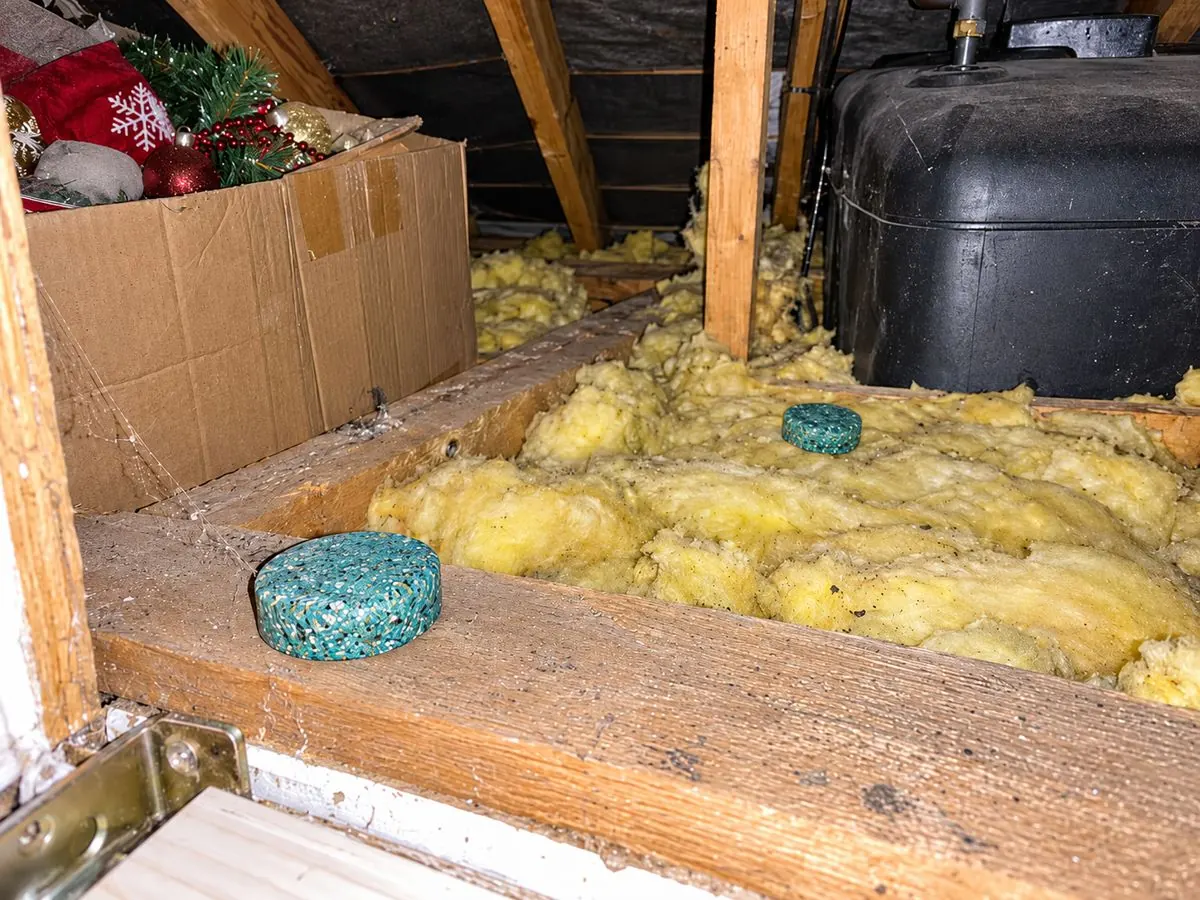
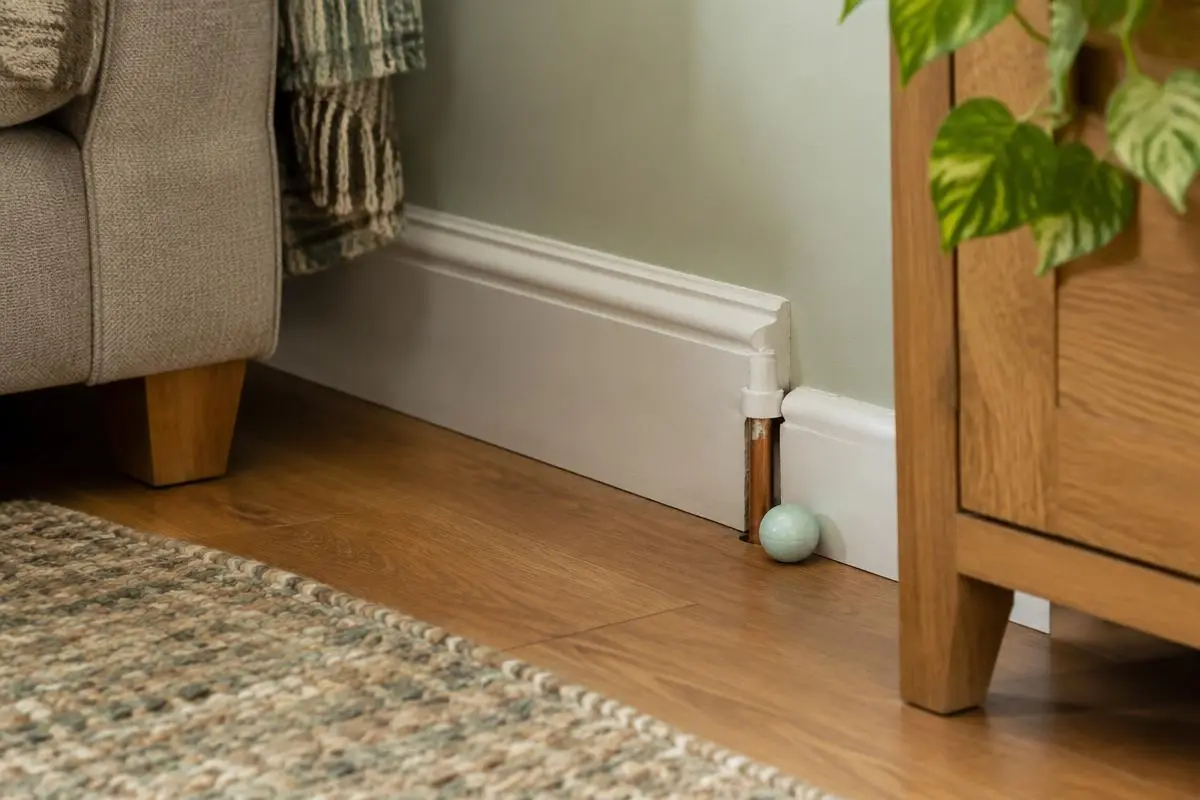
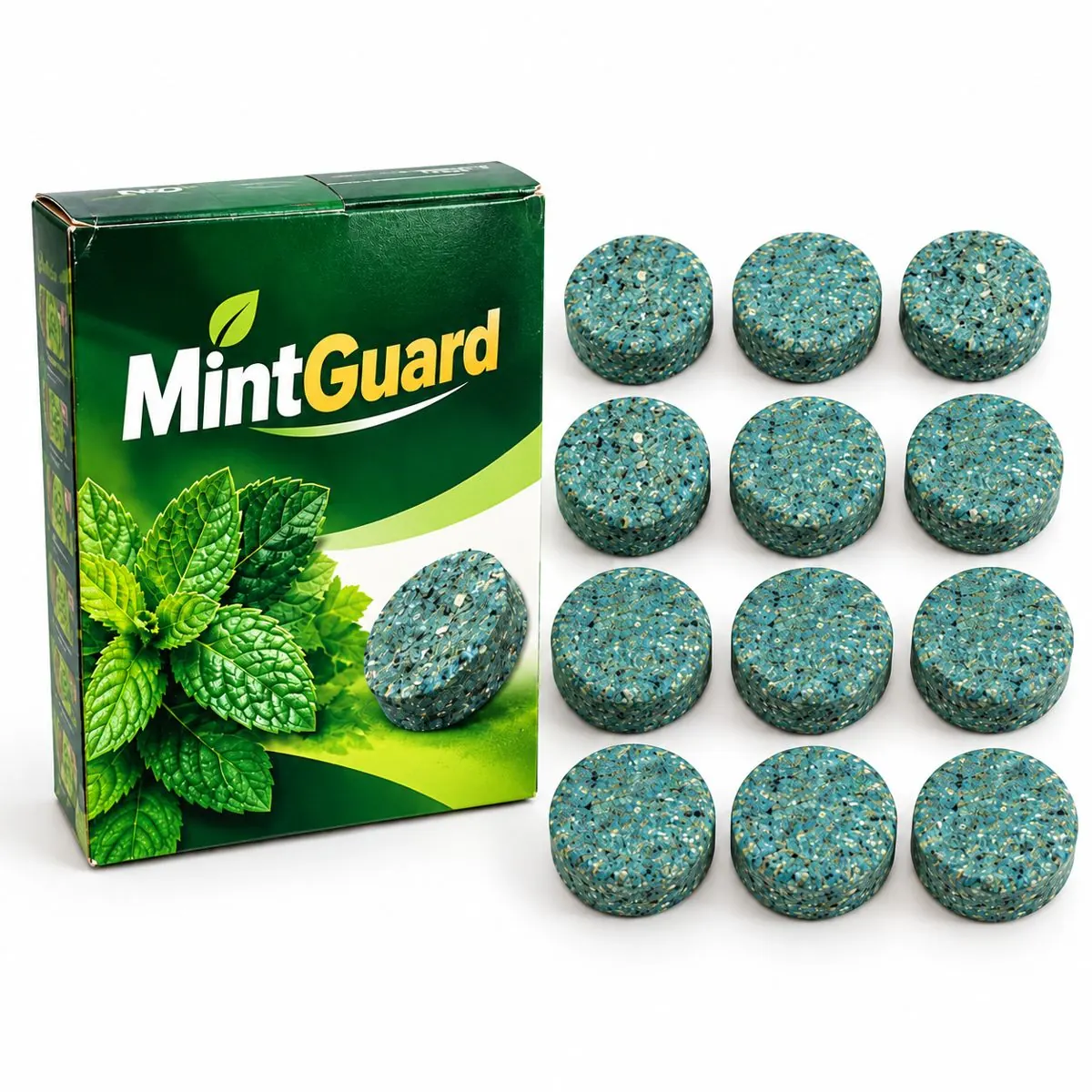
- Put MintGuard balls at access points: near air bricks inside, around pipes, by the boiler and at the loft hatch
Common questions
Will rats in the walls leave on their own?
Rarely, once they've found a warm, safe nest. Treat the nest, then seal and repel to stop new ones.
Get MintGuard
12 pressed peppermint balls per pack. No poison, no traps. Tracked UK delivery and a 90-day money-back guarantee.
- Tracked UK delivery
- 90-day money-back
- Secure checkout
- What happens next: 1. Pay on our secure checkout · 2. We dispatch your order · 3. You get a tracking email
Written by the MintGuard team
Last checked 22 October 2026. Plain, practical advice for UK homes. For a serious or ongoing infestation, contact your local council pest service or a qualified pest controller. Keep all repellents out of reach of children and pets.